Jewell Building, building in North Omaha, Nebraska, United States
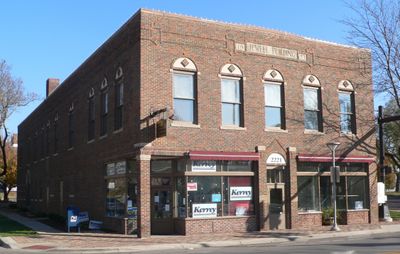
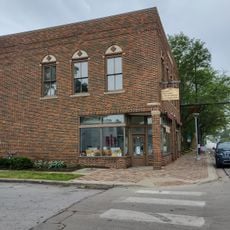
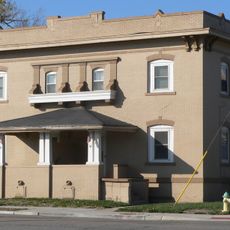
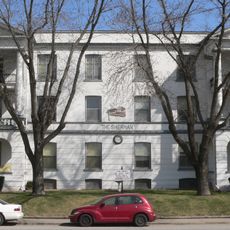
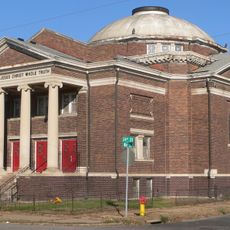
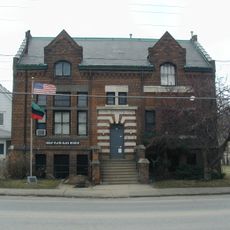
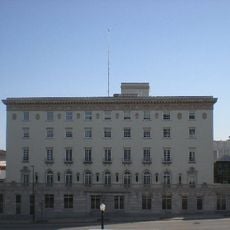
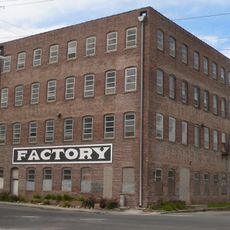
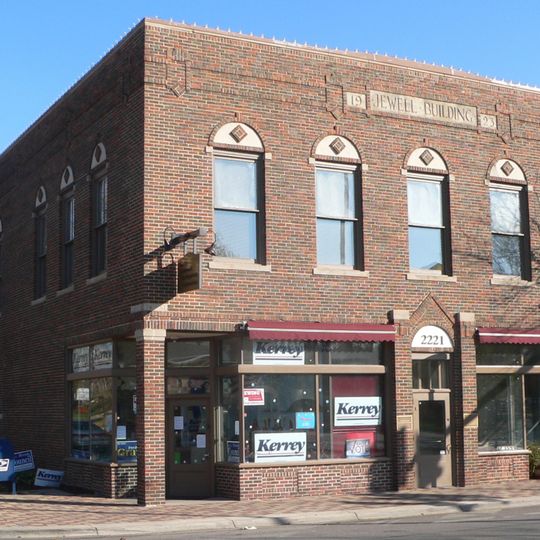
The Jewell Building is a commercial structure in Colonial Revival style built in 1923 in North Omaha, originally featuring shops on the ground floor and a ballroom upstairs. The building displays balanced proportions with brick walls, simple windows, and symmetrical columns typical of its architectural approach.
The building was constructed in 1923 by James Jewell Sr. and became a key venue for Black entertainment through the Dreamland Ballroom featuring jazz and blues acts. During World War II it served as a USO Club for Black soldiers, later closing in the 1960s before being saved from demolition through community efforts in the 1980s.
The building served as a central gathering place for Black entertainment and community life, particularly through the Dreamland Ballroom that hosted jazz and blues performances. Today it represents the pride and cultural importance that dedicated spaces held for Black residents seeking both music and social connection.
The building is open to the public and now houses the Great Plains Black History Museum with exhibits, photographs, and documents about local Black history. The location in North Omaha is accessible by foot and the area offers nearby shops and cafes for visitors.
The Dreamland Ballroom inside hosted legendary performances by Duke Ellington, Louis Armstrong, and Count Basie that drew musicians and crowds from across the region. This lesser-known story reveals how significant the venue was to Midwest jazz history.
The community of curious travelers
AroundUs brings together thousands of curated places, local tips, and hidden gems, enriched daily by 91,006 contributors worldwide.