Omaha, Metropolitan center in Eastern Nebraska, United States
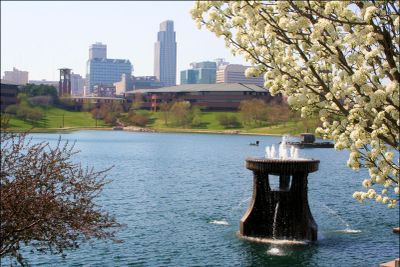
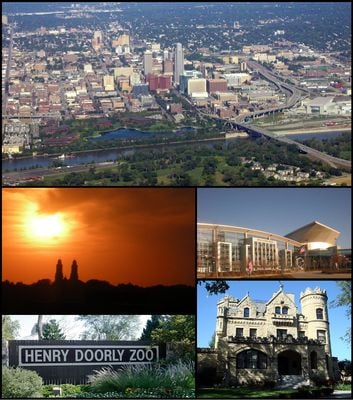
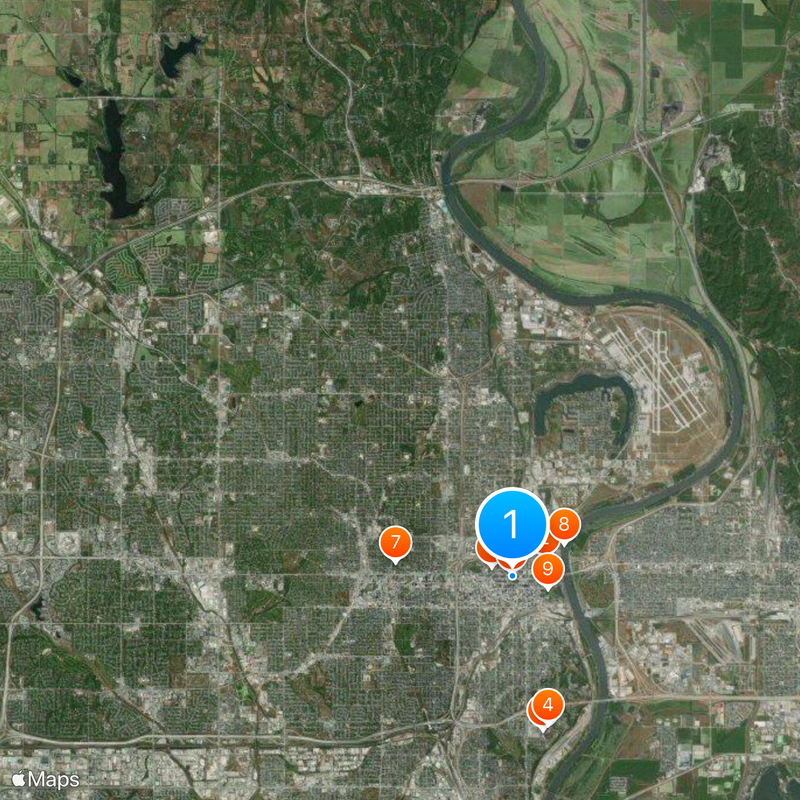
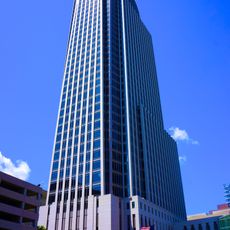
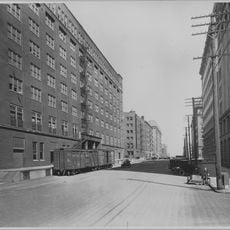
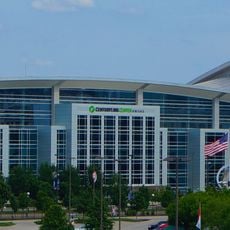
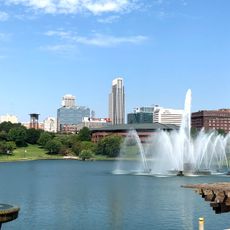
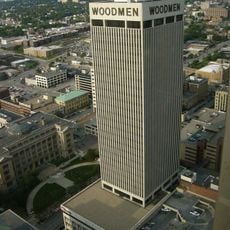
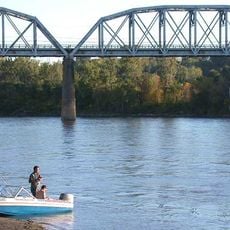
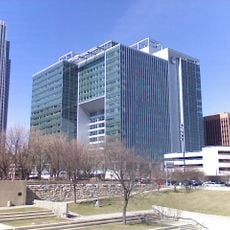
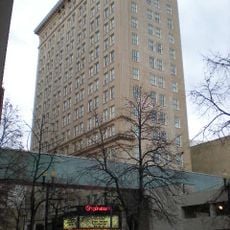
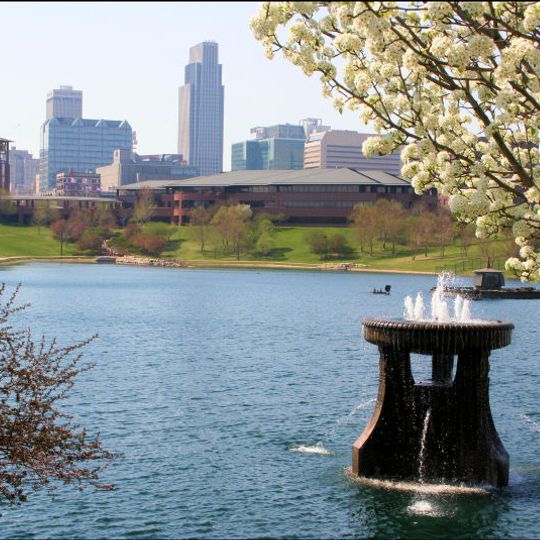
Omaha sits on the western bank of the Missouri River and spreads across gentle hills with commercial districts and residential neighborhoods connected by wide streets. The city forms around several districts, each with its own character, from the brick streets of the historic downtown to modern office towers in the center.
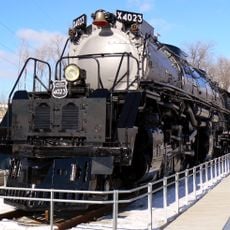
The city grew after 1863 when it became the starting point for the first transcontinental railroad, drawing merchants and settlers from the east. Later it expanded through the meatpacking industry and developed into a major economic center of the Great Plains by the mid 20th century.
In the Old Market, locals gather in converted brick warehouses where live music fills the evenings and weekend farmers markets draw neighbors from across the metro. Families from throughout the region visit the zoo regularly, often spending entire days walking through its sprawling grounds and shaded pathways.
An airport northeast of downtown connects the city to other regions, while public buses serve the main neighborhoods. Drivers navigate easily on the wide streets, and parking is generally available in most areas.
The old stockyards, opened in 1883, surpassed Chicago in the 1950s to become the largest livestock market in the world at that time. Today, disused buildings and street names recall this industrial past while new businesses occupy the site.
The community of curious travelers
AroundUs brings together thousands of curated places, local tips, and hidden gems, enriched daily by 60,000 contributors worldwide.