Portland Formation, Geological formation in Connecticut and Massachusetts, United States
The Portland Formation is a geological layer spanning Connecticut and Massachusetts, composed of sandstone, siltstone, and reddish-brown conglomerate and arkose. These stacked rock layers record deposits from ancient lakes and river floodplains, preserving the geology of different time periods in one continuous sequence.
This layer formed during the Early Jurassic period as sediments accumulated in ancient lakes and river systems over millions of years. The formation is named after the town of Portland in Connecticut and stands as a key record of early Jurassic geology in this region.
Museums across the region display fossils and rock samples from this layer, helping visitors understand how the land formed over time.
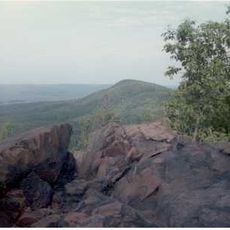
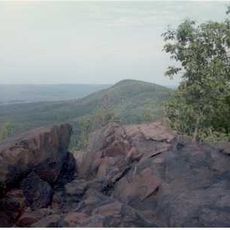
The most rewarding observation spots are the natural exposures across Connecticut and Massachusetts where the layers are clearly visible in the rock faces. Most of these locations are accessible by foot, though facilities are limited, so bringing water and sturdy shoes helps make the visit more comfortable.
This layer is known for its many well-preserved dinosaur tracks and footprints that researchers continue to study and document. Finding such fossils embedded in a sandstone formation is quite rare, making it an especially valuable site for paleontological work.
The community of curious travelers
AroundUs brings together thousands of curated places, local tips, and hidden gems, enriched daily by 60,000 contributors worldwide.