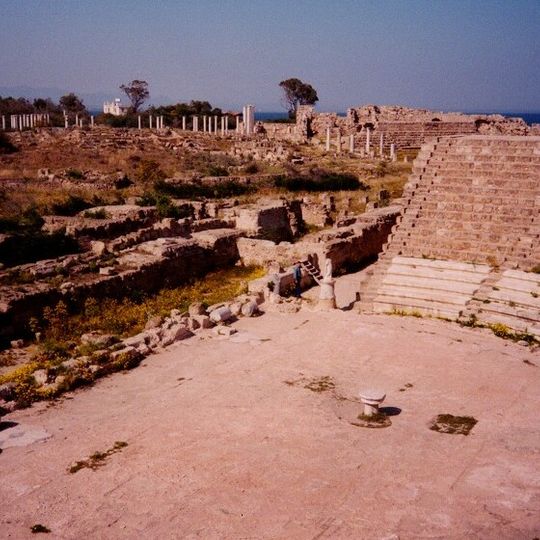
Salamis, Archaeological site in Famagusta District, Cyprus
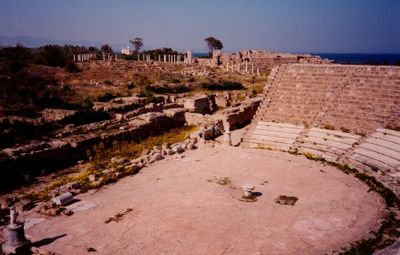
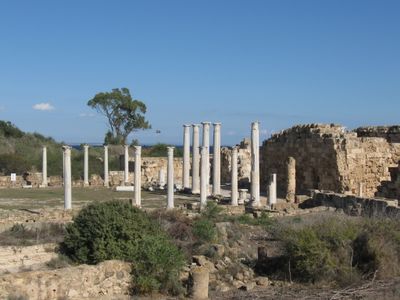
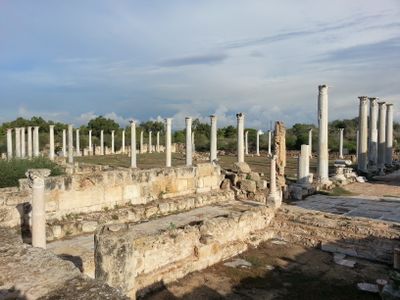
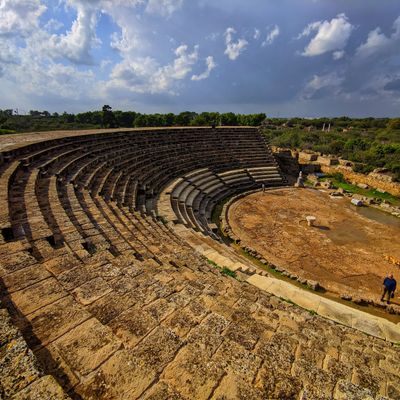
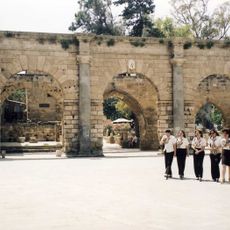
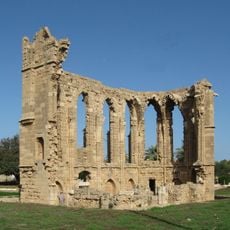
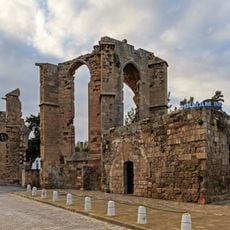
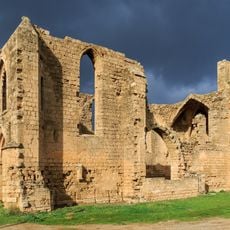
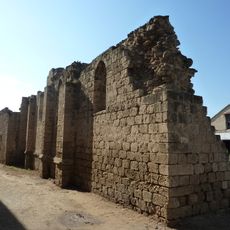
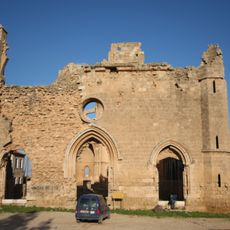
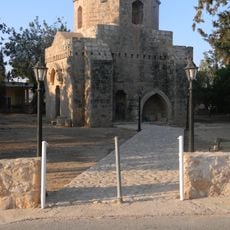
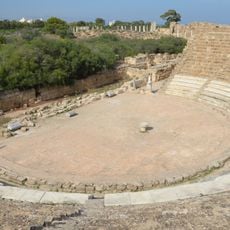
Salamis is an ancient city on the Mediterranean coast whose ruins spread across large areas showing significant public buildings. The excavations have revealed a theater, bathing complexes, and temples that demonstrate the architecture of both Greek and Roman periods.
The city began around 1100 BC and developed under Persian rule before later falling to Roman control. A major transformation occurred when Emperor Constantius II renamed and reconstructed it, leaving lasting marks on its layout.
The site reveals how ancient residents lived through preserved bathing complexes and religious structures that reflect daily and spiritual practices. You can observe how Greek and Roman communities coexisted and blended their traditions in this location.
The site is expansive and it is wise to wear comfortable shoes and bring plenty of water, especially on hot days. There is limited natural shade, so visiting in early morning or late afternoon works better for most visitors.
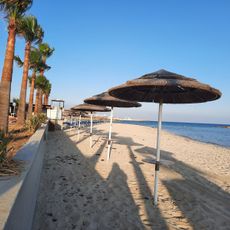
Many original structures lie beneath sea level because powerful earthquakes damaged and reshaped the city multiple times. Underwater research shows that parts of the ancient city remain preserved beneath the waves today.
The community of curious travelers
AroundUs brings together thousands of curated places, local tips, and hidden gems, enriched daily by 60,000 contributors worldwide.