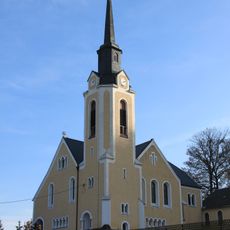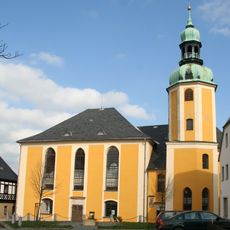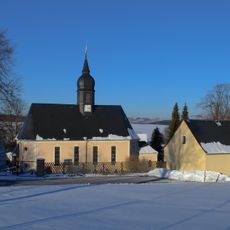
Wolkenstein, municipality in the Ore Mountains district of Saxony, Germany
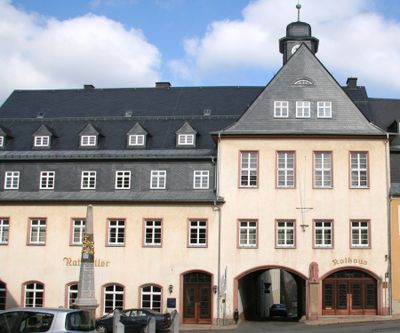
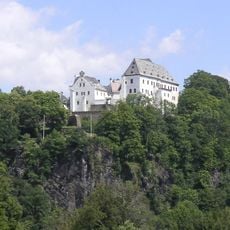
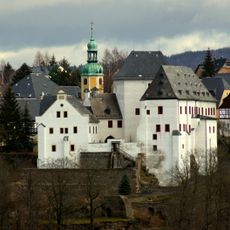
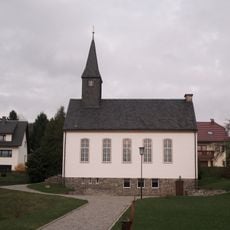
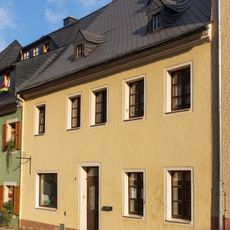
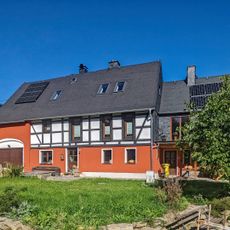
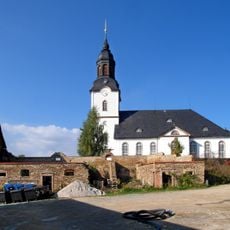
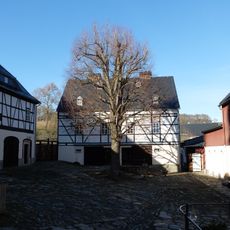
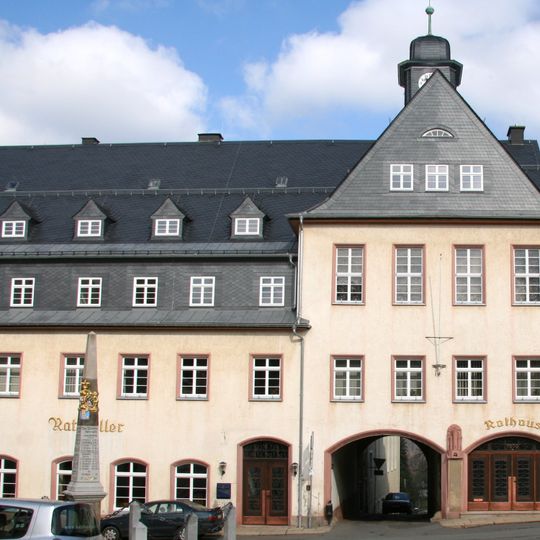
Wolkenstein is a small town in Germany situated on a rocky outcrop above the Zschopau River valley. A castle rises prominently from this stone formation and has defined the town's landscape since the 13th century. The historic center features narrow alleys, traditional timber-framed buildings, and a market square with a town hall that still serves as the heart of the community.
Wolkenstein was founded around 1241 when the lords of Waldenburg built a castle on the rocky outcrop to control important trade routes. From about 1293 onward, the town became prosperous through silver and tin mining, which led to the establishment of a coin minting facility by 1323. It developed into a significant mining and trading center before eventually falling under the rule of the Wettin family.
The name Wolkenstein refers to the rocky outcrop that dominates the town and gives it its distinctive appearance. Craftsmanship runs deep here: artisans still work in small studios producing wood carvings, jewelry, and textiles that fill the shops, particularly during the holiday season.
The town is easy to navigate on foot, with narrow alleys leading to the castle and market square. Visitors should note that the terrain is hilly and sturdy shoes are recommended, especially if walking to the castle or down to the Zschopau Gorge.
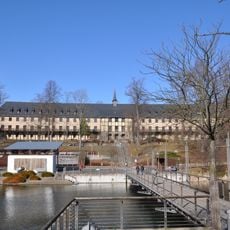
A warm thermal spring called Warmbad sits within the town and ranks among Saxony's hottest healing springs. This spring was developed into a recognized spa in the early 20th century and continues to draw visitors seeking relaxation and wellness treatments.
The community of curious travelers
AroundUs brings together thousands of curated places, local tips, and hidden gems, enriched daily by 92,633 contributors worldwide.