King Arthur's Hall, Archaeological monument in Bodmin Moor, England
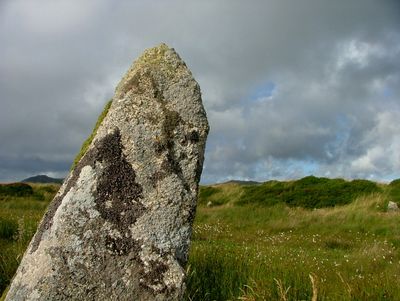
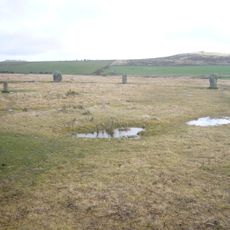
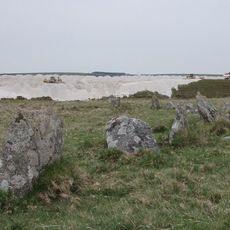
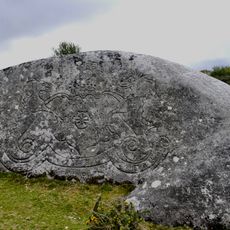
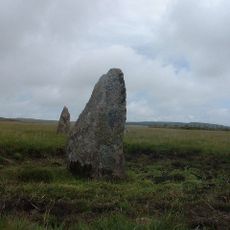
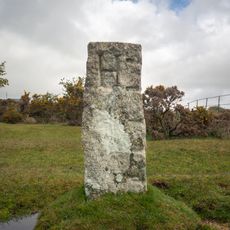
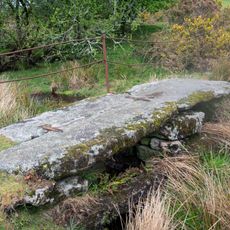
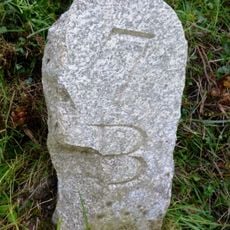
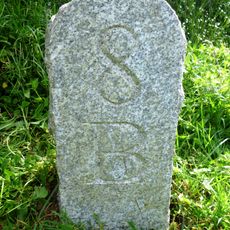
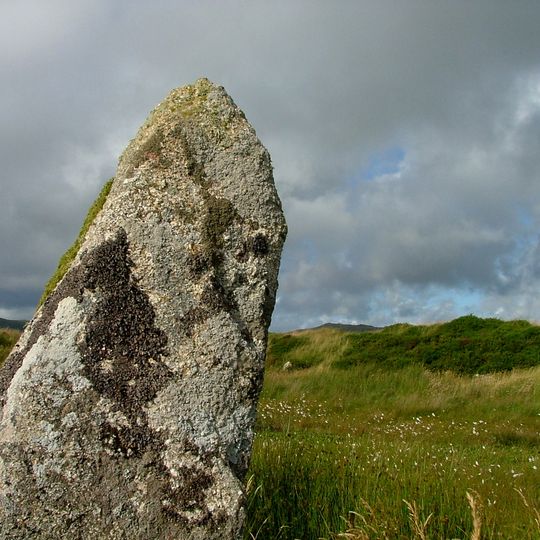
King Arthur's Hall consists of 56 granite stone blocks arranged in a rectangular pattern that forms an enclosure roughly 48 by 20 meters across. The arrangement shows careful planning from prehistoric times.
Archaeological research shows the site dates to the Neolithic period, roughly 5,500 years ago, not the medieval era as was long believed. This finding changed our understanding of how people used this moorland in prehistoric times.
The stones carry the name of legendary King Arthur, showing how the Cornish landscape is deeply woven into medieval British tales. Many visitors come here because of this link to the old stories that have shaped the region for centuries.
The site is reached via walking paths across Bodmin Moor, though sturdy hiking boots are needed because of marshy ground. It helps to check the weather ahead and bring waterproof clothing, as conditions can change quickly.
Beneath the stones, sediment cores were found holding pollen and insect remains from ancient times that reveal details about the environment back then. These scientific clues help researchers understand what the landscape looked like thousands of years ago.
The community of curious travelers
AroundUs brings together thousands of curated places, local tips, and hidden gems, enriched daily by 91,688 contributors worldwide.