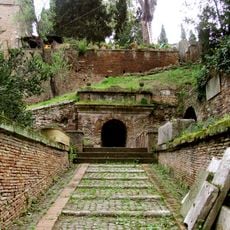
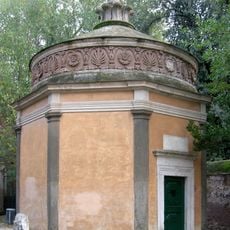
Columbarium of Pomponius Hylas, Ancient Roman columbarium in Via Latina, Italy
The Columbarium of Pomponius Hylas is an underground burial chamber in Rome, lined with rows of niches carved into the walls to hold the ashes of the deceased. The interior walls and ceiling are covered with frescoes and stucco work, giving the small rectangular room a richly decorated appearance.
The chamber was built during the reigns of emperors Tiberius and Claudius, in the first half of the 1st century AD. After nearly two thousand years underground, it was rediscovered in 1831 by Marquis Pietro Campana during excavation works in Rome.
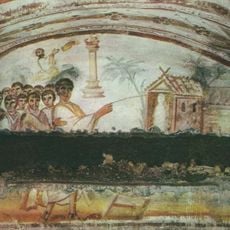
The walls are covered with images of Orpheus, a figure Romans associated with life after death, painted and set in mosaic across the niches. Visitors today can still read the names of those buried here from small inscriptions placed beside each niche.
A visit requires advance booking through the city's 060608 reservation service, as entry is limited to small groups at fixed times. Arriving without a reservation is not possible, so planning ahead is necessary before heading to the site.
The mosaic inscription above the entrance stairway, naming Pomponius Hylas and his wife, was made using colored glass rather than the stone tesserae more commonly found in Roman tombs. This choice of material was rare for a funerary inscription and makes it one of the few surviving examples of its kind.
The community of curious travelers
AroundUs brings together thousands of curated places, local tips, and hidden gems, enriched daily by 92,389 contributors worldwide.