Aurelian Walls, Ancient defensive wall in Rome, Italy
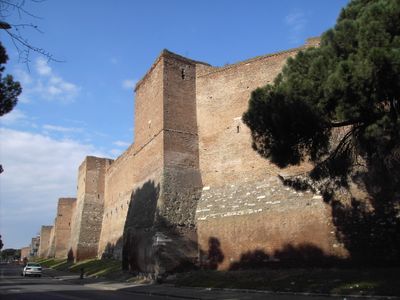
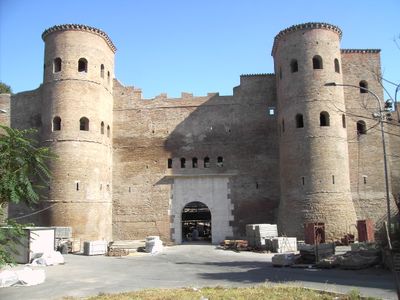
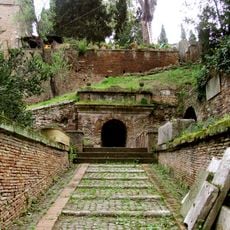
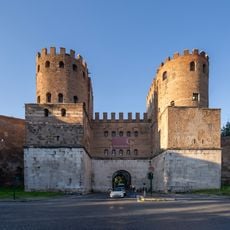
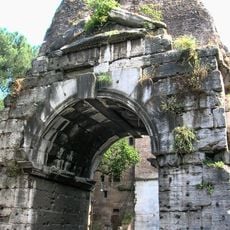
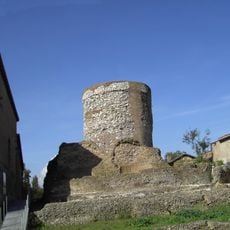
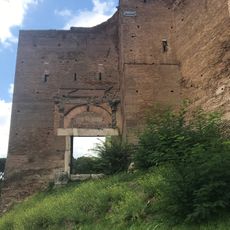
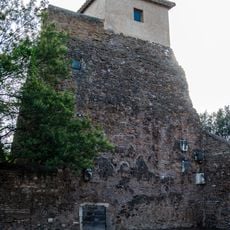
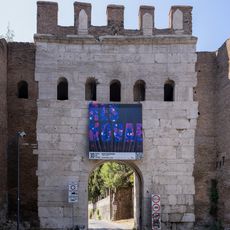
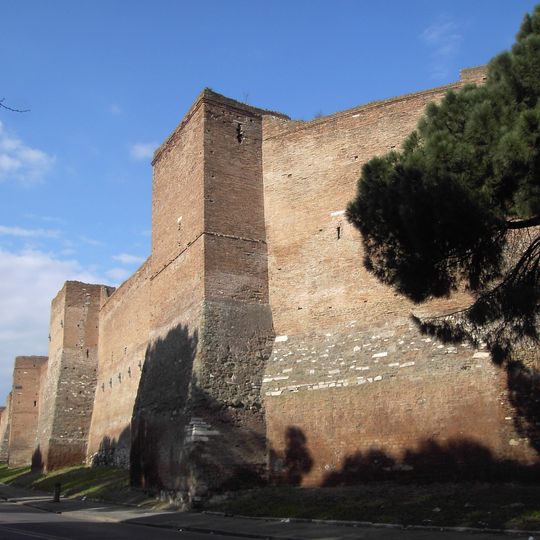
The Aurelian Walls are an ancient defensive structure in Rome, Italy, stretching nineteen kilometers and incorporating numerous gates and architectural elements into their brick and concrete construction. The structure includes more than three hundred and eighty towers distributed along its course, connecting important parts of the urban topography.
Emperor Aurelian commissioned this fortification between 271 and 275 AD to protect Rome from possible invasions during a time of military weakness. Later emperors such as Maxentius and Honorius reinforced the structure and raised the height of the walls to improve their defensive value.
The name recalls Emperor Aurelian, while the wall today forms a green belt around the old city and helps Romans orient themselves between the historic core and modern neighborhoods. Joggers and cyclists use the path along the structure regularly, so the former defense line has become a popular recreational route.
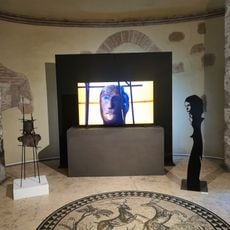
Visitors can explore the Museo delle Mura near Porta San Sebastiano to learn about construction techniques and examine architectural details. Some sections of the wall are freely accessible and offer walks along the ancient fortification with views on both sides.
The wall structure incorporates several ancient Roman monuments such as the Pyramid of Cestius, the Amphitheater Castrense, and sections of the Aqua Claudia aqueduct. This integration of existing structures saved construction time and materials while transforming important urban landmarks into part of the defensive system.
The community of curious travelers
AroundUs brings together thousands of curated places, local tips, and hidden gems, enriched daily by 91,430 contributors worldwide.