Umataka-Sanjūinaba Site, Archaeological site in Nagaoka, Japan.
The Umataka-Sanjuinaba Site is an archaeological location on a hilltop with views of the Shinano River, containing multiple layers of deposits from the Jomon period. The location has revealed numerous pottery vessels, clay figurines, and ritual objects made from jade and stone that provide insight into how people lived during that era.
The site was first excavated in 1936 by Tokuzaburo Kondo, revealing settlement patterns from the Middle to Late Jomon period approximately 5000 to 3000 years ago. The discoveries provided important information about how people organized their communities and carried out daily tasks during that distant time.
The discovery of Flame-style pottery and the famous Miss Umataka figurine demonstrates how people of this era integrated artistic craftsmanship and spiritual objects into daily life. These artifacts reflect the artistic skills and religious practices of the early inhabitants.
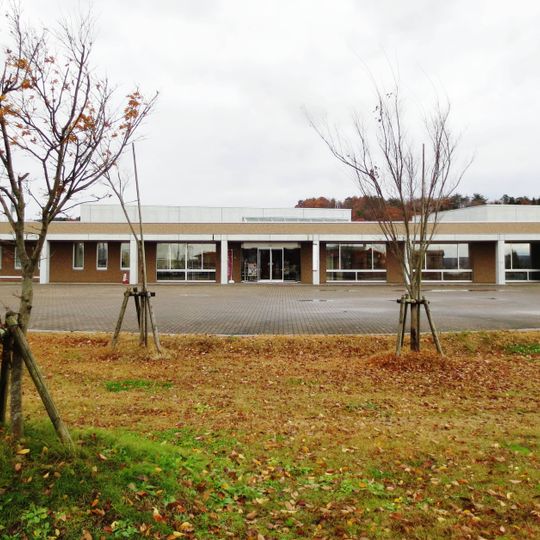
An on-site museum displays the key finds and offers explanations about Jomon ways of life and the excavation history. The location sits on elevated ground with good views of the surrounding landscape and can be explored easily on foot.
The site contains one of the rare original Flame-style pottery pieces whose distinctive form makes it unlike any other ceramic vessel from this tradition. This work showcases the technical skill and artistic choices of Jomon potters at their peak.
The community of curious travelers
AroundUs brings together thousands of curated places, local tips, and hidden gems, enriched daily by 91,357 contributors worldwide.