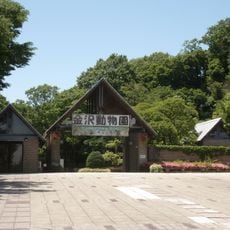
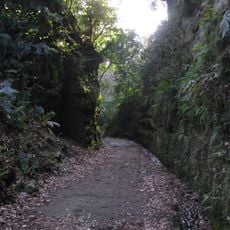
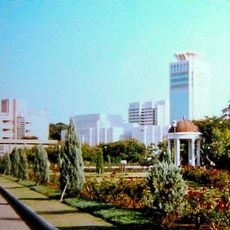
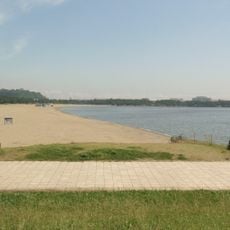
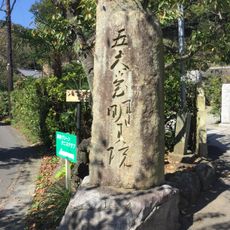
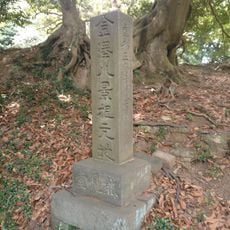
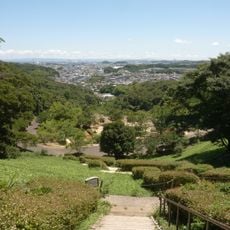
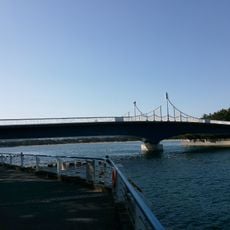
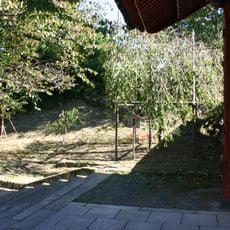
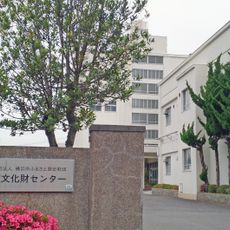
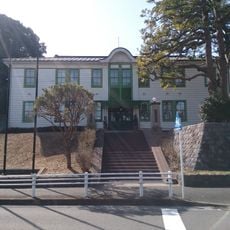
Nojima Shell Mound, Archaeological midden in Nojima Park, Japan.
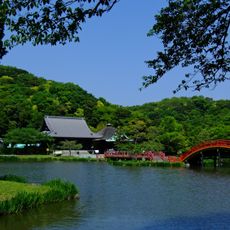
The Nojima Shell Mound is an archaeological site where layers of discarded shells, bones, and human artifacts accumulated over many centuries of habitation. The visible deposits sit within a park setting, allowing visitors to observe directly how people left behind the remains of their daily lives.
The site dates to the Jōmon period, an early phase of human settlement in Japan when communities established villages along the coast. Over thousands of years, people discarded food waste and broken objects at this location, creating the layers we see today.
The mound reveals how people sustained themselves through fishing and gathering from the ocean, leaving behind the tools and containers they used daily. Shells, bones, and pottery show what activities were central to their way of life.
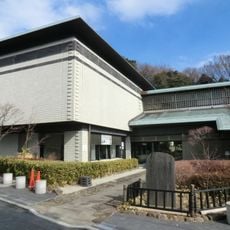
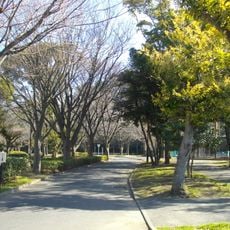
The site sits within a public park equipped with information panels that explain the discoveries and their context. Visitors can walk around the visible layers and read about what archaeologists have learned from the accumulated remains.
Artifacts found here include materials from distant regions, showing that ancient people maintained trade contacts across wide areas. This evidence reveals that coastal communities had more developed exchange networks than researchers once thought.
The community of curious travelers
AroundUs brings together thousands of curated places, local tips, and hidden gems, enriched daily by 92,371 contributors worldwide.