Veii, Archaeological site in Isola Farnese, Italy
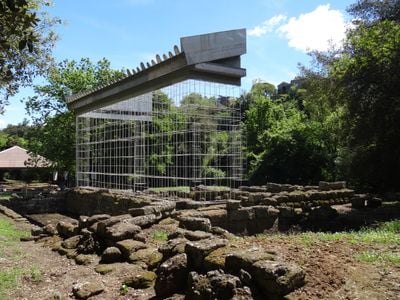
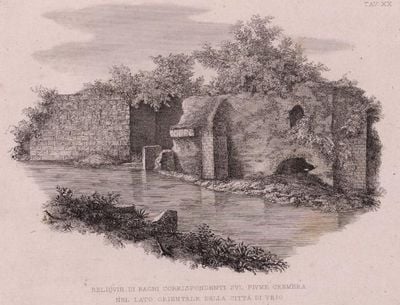
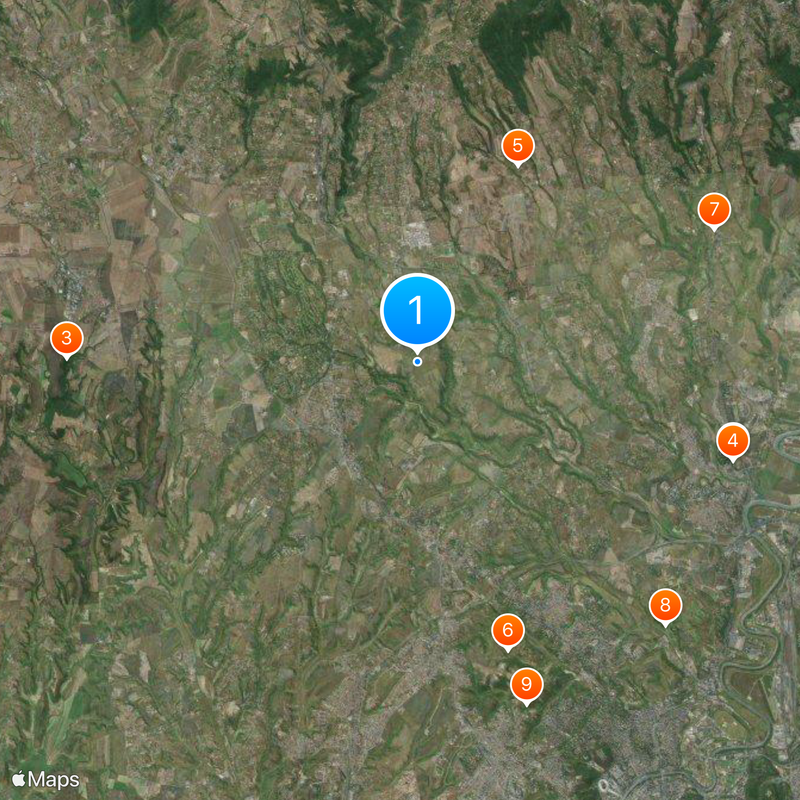
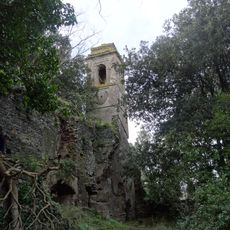
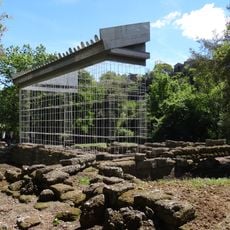
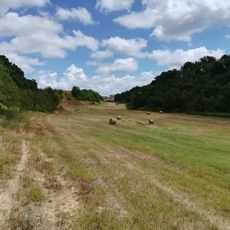
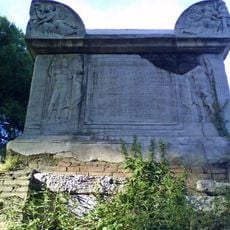
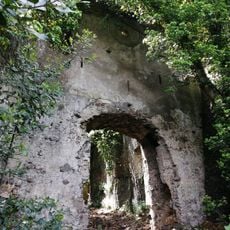
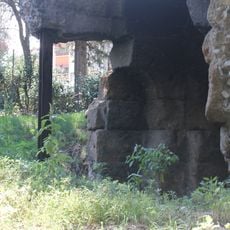
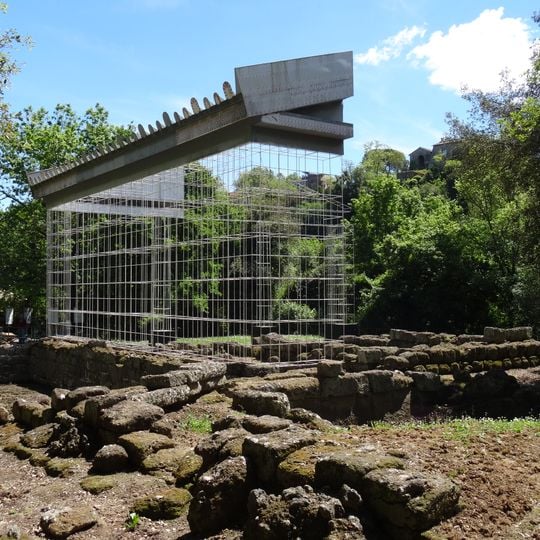
Veii was an Etruscan city built on a tufa plateau between two rivers, about 7.5 miles (12 km) north of Rome. The ruins include temples, sanctuaries, and residential areas spread across a wide area that was once linked by ancient roads.
The city was a major center of Etruscan civilization in the sixth century BC and controlled important trade routes in the region. Rome conquered it in the late fourth century BC after a long military conflict that marked the end of Etruscan power.
The Grotta Campana tomb, discovered in 1843, contains the earliest known Etruscan frescoes and demonstrates sophisticated burial practices of the period.
The site is large and requires several hours to explore the main areas on foot, so bring sturdy shoes and water. Paths are uneven and sometimes steep, so mobility and reasonable fitness help.
The necropolis holds tombs with painted chambers that are among the oldest surviving wall paintings in central Italy. These frescoes show everyday scenes and mythological figures in bright colors still visible after nearly three thousand years.
The community of curious travelers
AroundUs brings together thousands of curated places, local tips, and hidden gems, enriched daily by 92,307 contributors worldwide.