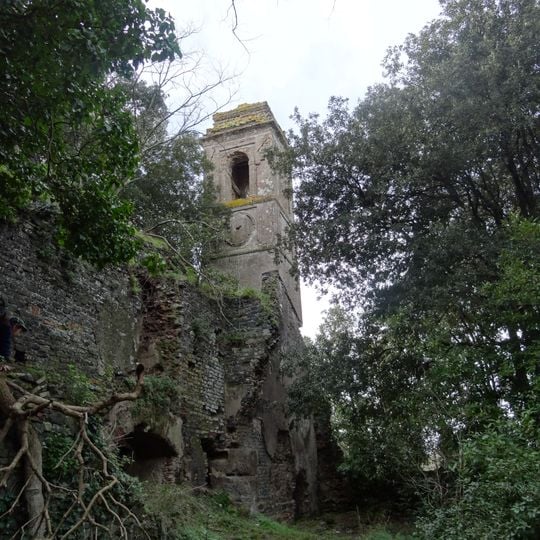
Monumento naturale Galeria Antica, Natural monument near Santa Maria di Galeria, Italy
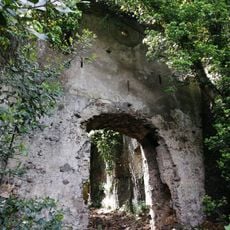
Monumento naturale Galeria Antica is a protected natural area in the Roman countryside with woodland and rocky outcrops along the Arrone River. The landscape combines Mediterranean vegetation with scattered ruins perched on a tuff plateau, creating a terrain where forest and ancient stone structures coexist.
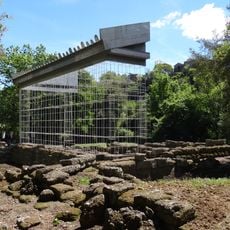
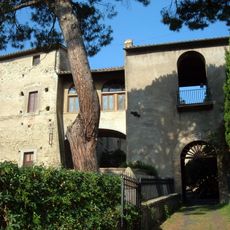
The Etruscans founded the settlement, called Careia, as a watch outpost between Veio and Cerveteri; Roman conquest later left arches and opus incertum masonry. Pope Adrian I founded a Domusculta here in the 8th century, and Gregory IV turned it into a curtis in 840. After Saracen destruction, the Orsini rebuilt it in the mid-13th century; malaria and final abandonment came in 1809.
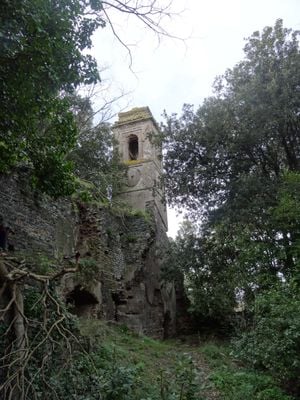
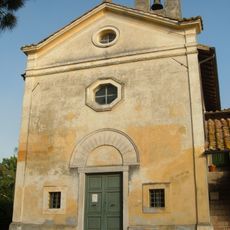
The Etruscans called the site Careia, a watch outpost between Veio and Cerveteri; the name Galeria came later. Pope Adrian I founded a Domusculta here in the 8th century, turned into a curtis by Gregory IV in 840. The church of San Nicola, reduced to its 18th-century bell tower, served as an improvised cemetery during the malaria epidemic.
Visits require advance arrangement through RomaNatura, the organization managing the site. It is best to contact them beforehand to arrange access and receive guidance on navigating the terrain safely.
When the last residents fled in 1809, they left tools, household goods and even corpses on carts meant to carry the dead away; the bodies were found years later and buried half a century after that. The few dozen survivors settled just a kilometre away, founding Santa Maria di Galeria Nuova.
The community of curious travelers
AroundUs brings together thousands of curated places, local tips, and hidden gems, enriched daily by 93,132 contributors worldwide.