Portonaccio, Etruscan temple in Veii, Italy
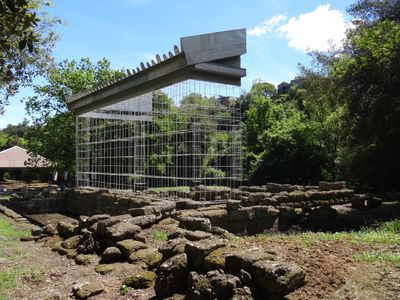
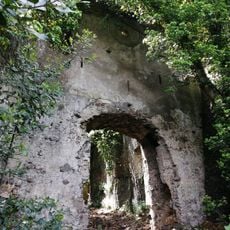
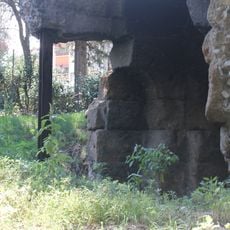
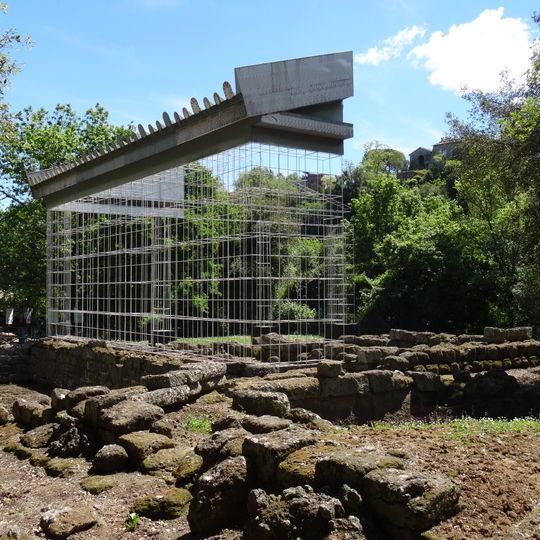
Portonaccio is an Etruscan sanctuary on a tuff plateau near the ancient city of Veii, north of Rome, with a temple of three chambers, a large pool, and underground passages. The exposed foundations show the original layout of the rooms and the positions of the decorative elements that once lined the roof.
Construction at the site began in the early 7th century BCE, and the complex grew over several centuries until it reached its final form around 450 BCE. After Rome conquered Veii in 396 BCE, the sanctuary fell out of use and gradually sank into the ground.
The sanctuary was dedicated to Menrva, the Etruscan counterpart of the Greek goddess Athena. Visitors can still see the bases where painted terracotta figures once stood along the roofline, depicting scenes from mythology.
The ground is uneven with exposed tuff stone and partly excavated trenches, so sturdy footwear is a good idea. A visit to the nearby Villa Giulia museum in Rome, where the main finds are kept, helps complete the picture of what once stood here.
The famous terracotta statue of the Apollo of Veii was found here and is now kept at the Villa Giulia museum in Rome. It was made by Vulca, the only Etruscan sculptor whose name has come down to us.
The community of curious travelers
AroundUs brings together thousands of curated places, local tips, and hidden gems, enriched daily by 60,000 contributors worldwide.