Tobayama Cave, Archaeological cave in Ueda, Japan
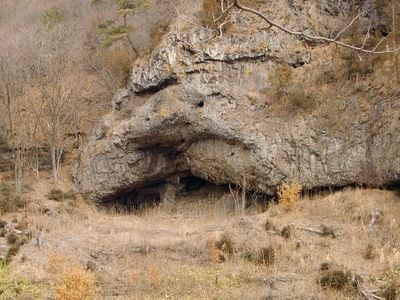
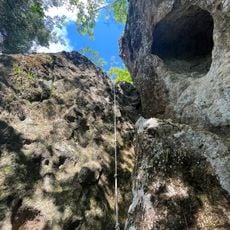
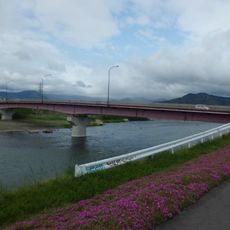
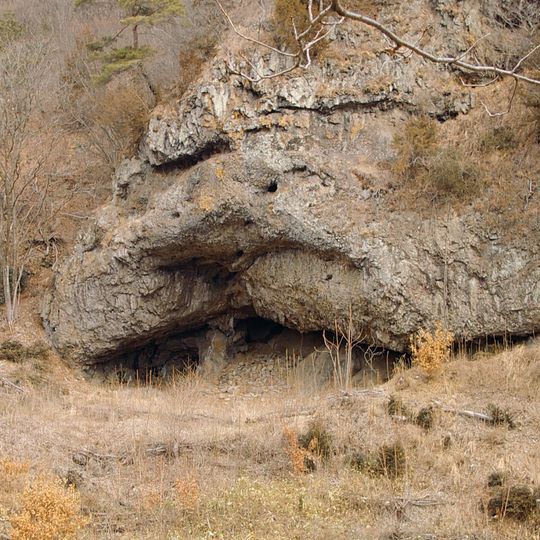
Tobayama Cave is a natural rock formation on Mount Toba near the Chikuma River, with an entrance rising about 25 meters high. The cavity extends roughly 15 meters deep and contains multiple stratified layers of archaeological material from different periods.
Archaeological digs revealed that the site became a burial ground from the 5th century onward, with remains showing signs of activity across multiple time periods. Artifacts recovered include iron weapons, horse equipment, and Sue pottery, indicating the importance of the site to regional leaders.
The cave served as a dwelling space during the Jomon period and later became a burial place for local clans during the Kofun period. This transformation shows how communities adapted the same natural space for different purposes over time.
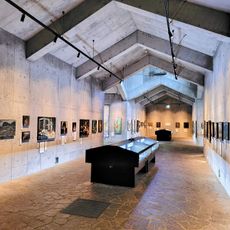
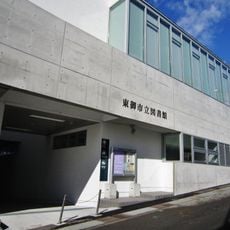
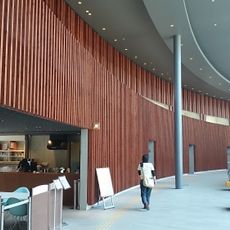
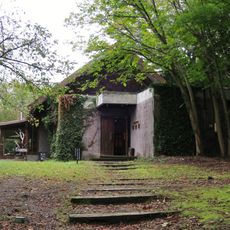
Visitors can see the cave site itself and examine the excavated artifacts at the Ueda City Maruko Cultural Museum, which maintains a permanent exhibition. The museum helps explain the significance of the findings and the different periods represented at the location.
The cave contains rare mainland Japanese examples of crushed bone burial practices, a method more commonly seen in Southeast Asia and Okinawa. This unusual burial technique offers insight into connections between different regions during ancient times.
The community of curious travelers
AroundUs brings together thousands of curated places, local tips, and hidden gems, enriched daily by 92,866 contributors worldwide.