Unno-juku, Historic post town in Nagano Prefecture, Japan
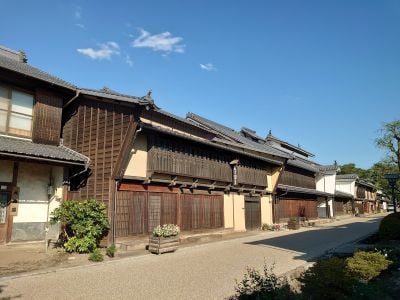
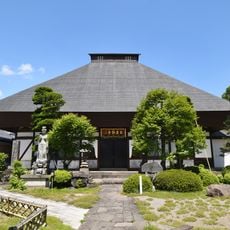
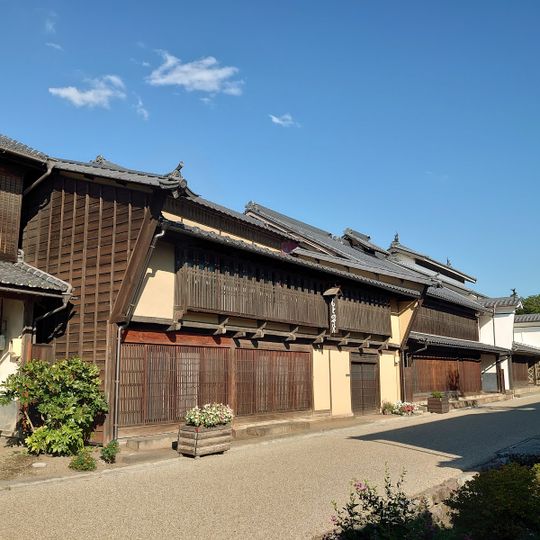
Unno-juku is a former post station on the Hokkoku Kaidō in Tomi, Nagano Prefecture. Its 650-metre-long, 10-metre-wide street is lined with about 100 buildings, including hatago inns, silkworm-raising houses and thatched-roof structures. Features to spot include lattice doors, fire-prevention udatsu walls, and carved brackets under the eaves. A central water channel called the Omote-gawa still runs between the houses.
Unno-juku was set up by the Edo shogunate in 1625 as a post station on the Hokkoku Kaidō, the route linking Karuizawa with the Zenkō-ji temple town of Nagano; it was first a shared station with Tanaka-juku before becoming a station in its own right. The 650 m street held one honjin and two waki-honjin, serving Sado gold shipments to Edo, Zenkō-ji pilgrims and daimyō processions. After the railway reduced through traffic in the Meiji and Taishō eras, the town turned to sericulture.
The name Unno-juku comes from the Unno clan, whose lands prospered here before the post station opened. The street's centre is followed by the Table River, a canal in its Edo-period position, with a washing place in front of each facing pair of houses; horses were watered and travellers washed their feet there. The Unno-juku Fureai Festival is held on 23 November.
Visitors can walk the length of the street in a leisurely hour, as most buildings stand within a compact area along the old highway. Comfortable shoes help, since the ground slopes gently and some sections retain uneven paving.
Several buildings retain their original firebreak walls made of rammed earth, built between the wooden structures. These thick partitions were designed to stop flames from spreading along the densely packed street.
The community of curious travelers
AroundUs brings together thousands of curated places, local tips, and hidden gems, enriched daily by 93,377 contributors worldwide.