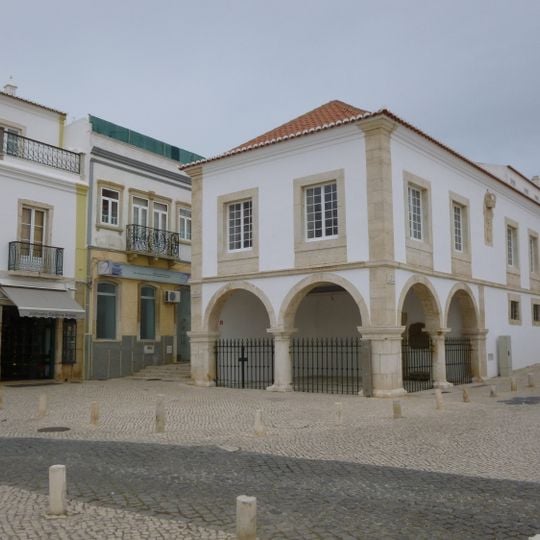
Mercado de Escravos, Former slave market in Santa Maria, Lagos, Portugal
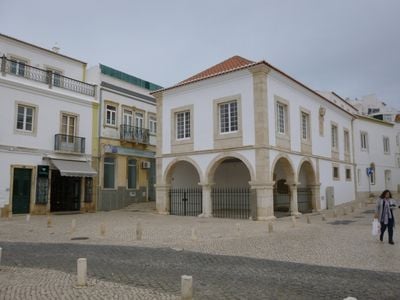
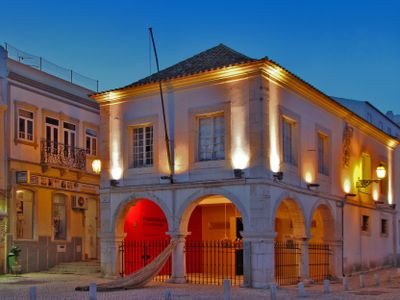
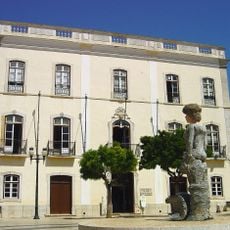
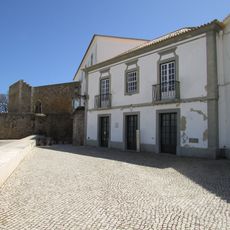
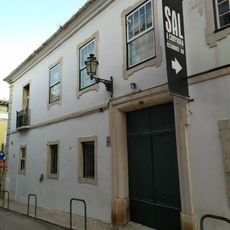
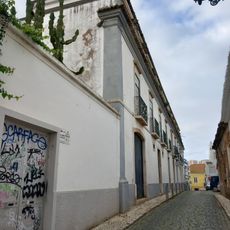
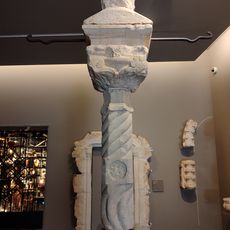
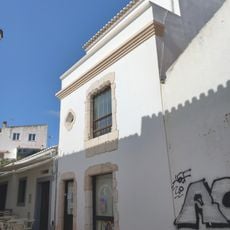
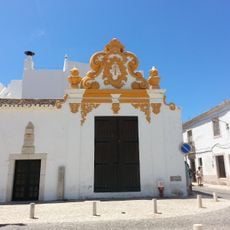
Mercado de Escravos is a white building with arched windows positioned at the corner of Infante D. Henrique Square, built in mannerist style from 1691. Inside, two floors hold exhibitions exploring the slave trade's history through documents, ship models, chains, and other artifacts.
This structure was established in 1691 as an early European hub for the slave trade, reflecting Portugal's maritime expansion of that era. After the slave trade ceased, the building served different purposes until it eventually became a monument preserved for education.
This place marks where the Atlantic slave trade took root, shaping Lagos and its role in maritime commerce for centuries. Walking through, visitors sense how deeply this history is woven into the city's identity and memory.
The building is open daily for visitors and functions as an educational center with informative exhibitions. Plan adequate time to explore both floors and examine the displayed documents and objects carefully.
The building originally served dual functions as both a customs house and a slave trading post before later becoming military barracks. This evolution shows how the site's purpose and meaning shifted across centuries.
The community of curious travelers
AroundUs brings together thousands of curated places, local tips, and hidden gems, enriched daily by 91,287 contributors worldwide.