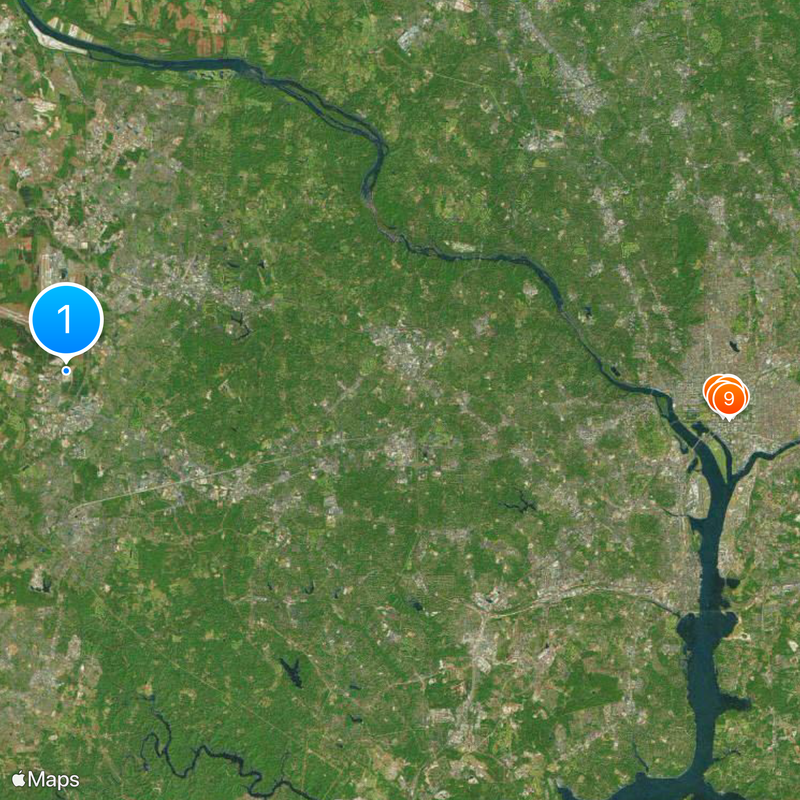
Enola Gay, Military bomber aircraft at National Air and Space Museum in Chantilly, United States
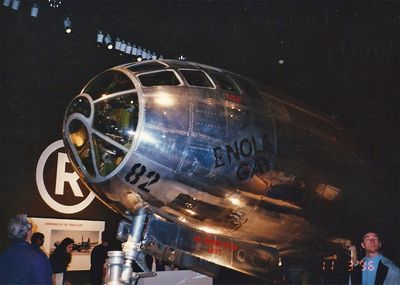
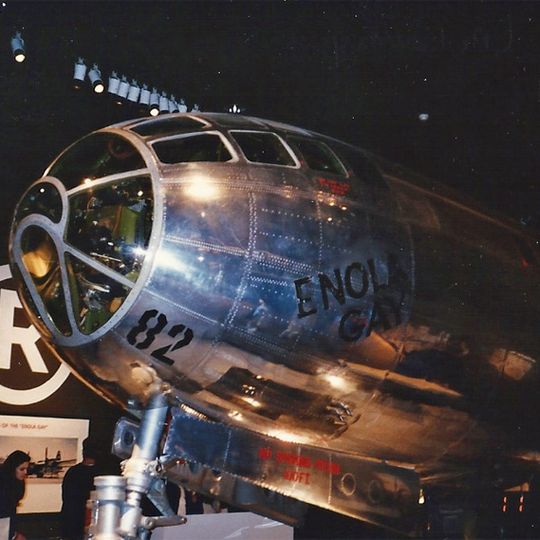
Enola Gay is a Boeing B-29 Superfortress bomber displayed at the National Air and Space Museum in Chantilly, equipped with remote-controlled weapon systems, pressurized compartments, and advanced radar technology. The fuselage shows the characteristic polished aluminum skin and large wings designed for long-range flights across the Pacific.
Colonel Paul Tibbets flew this bomber on August 6, 1945, during the first atomic bombing mission over Hiroshima in Japan. The plane was later transferred to the Smithsonian Institution after the war ended and underwent restoration.
Visitors often pause in front of the plane to reflect on the military decisions that shaped the war's end and consider how aerial technology changed global conflict. Many people read the accompanying panels that explain the context of the mission and its aftermath.
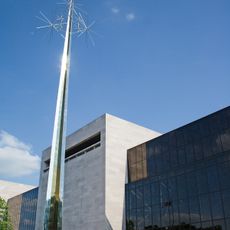
The restored bomber stands in the Steven F. Udvar-Hazy Center and can be viewed from different levels. Visitors can walk around the exhibit to see the modified bomb bay and flight systems up close.
The plane's name comes from the pilot's mother, Enola Gay Tibbets. It later flew a weather reconnaissance mission during the second atomic bombing over Nagasaki.
The community of curious travelers
AroundUs brings together thousands of curated places, local tips, and hidden gems, enriched daily by 91,506 contributors worldwide.