Talbot County, County in Maryland, United States
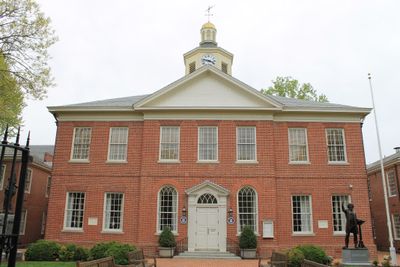
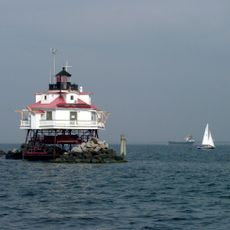
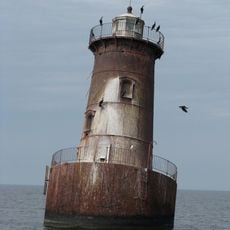
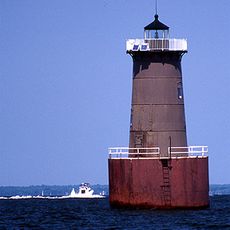
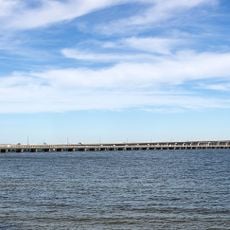
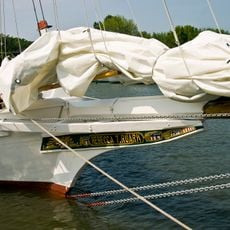
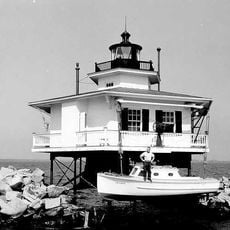
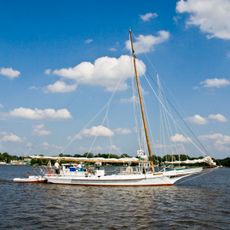
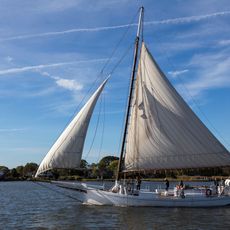
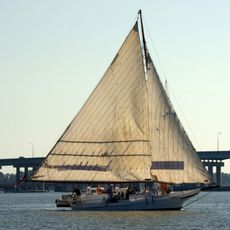
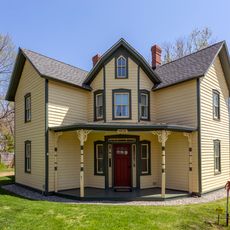
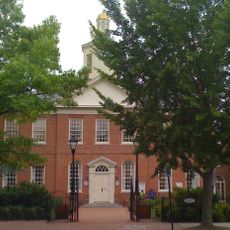
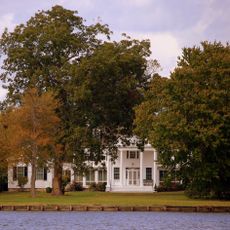
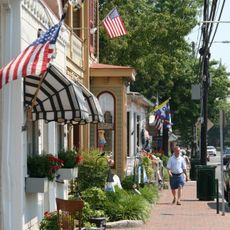
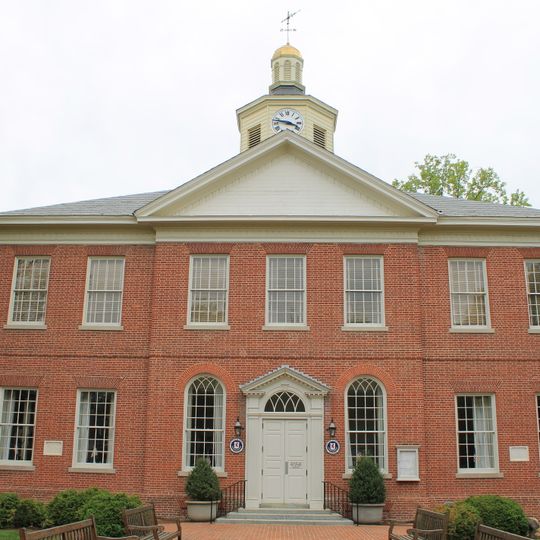
Talbot County sits on Maryland's Eastern Shore and is defined by its relationship with water, featuring extensive bays and waterways that shape the landscape. The region combines rural areas with historic towns like Easton, the county seat, where many public institutions and services are concentrated.
Established in 1661, the county was named after Lady Grace Talbot, sister of Maryland's founder Lord Baltimore. The region quickly became an important early settlement with notable religious diversity and colonial economic activity.
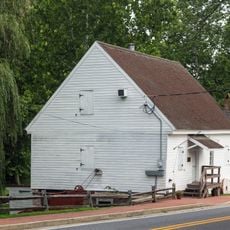
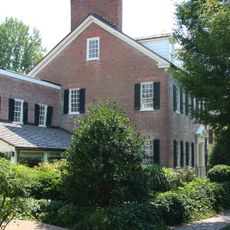
The Third Haven Meeting House from 1682 reflects the deep Quaker roots that shaped the region's spiritual identity for centuries. Visitors can see how this simple structure served as a gathering place for a community committed to peaceful religious practice.
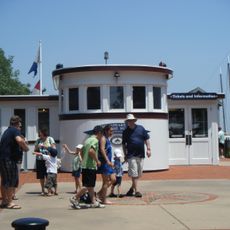
Visitors should use Easton as a starting point, as it houses key government buildings and information centers for the county. The region is best explored by car since attractions are spread out, and most historic sites are accessible year-round.
Frederick Douglass, who would become a prominent abolitionist, spent his enslaved years near Tuckahoe Creek, a location now connected to this towering historical figure. His link to the region remains an important part of the broader story of resistance and freedom in this area.
The community of curious travelers
AroundUs brings together thousands of curated places, local tips, and hidden gems, enriched daily by 92,948 contributors worldwide.