Library of Alexandria, Ancient library in Egypt
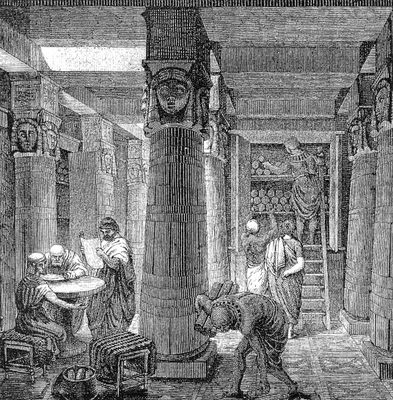
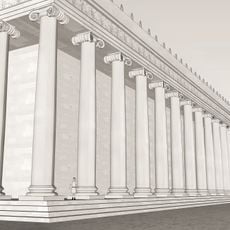
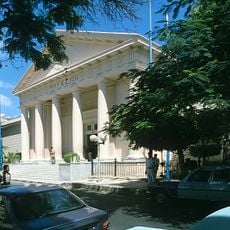
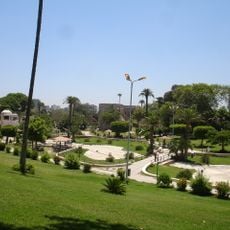
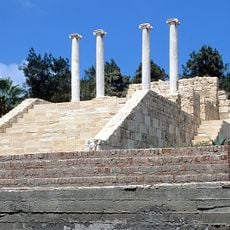
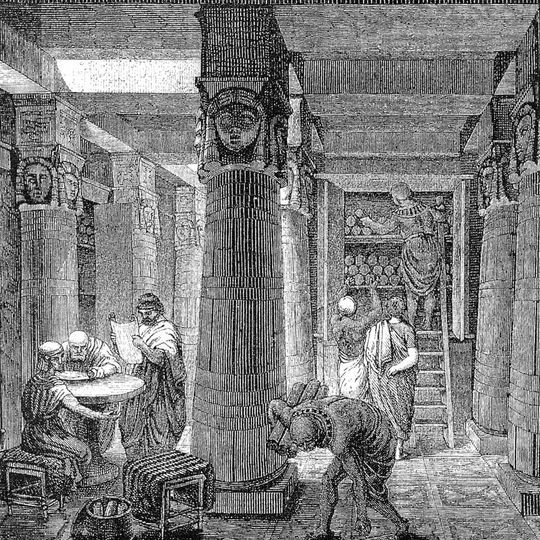
The Library of Alexandria was a major research center in ancient Egypt that stored hundreds of thousands of scrolls and written works from across the Mediterranean world. The complex featured Greek architectural design with grand columns, spaces for lectures, reading areas, and planted gardens throughout the grounds.
Ptolemy I established the institution in the 3rd century BCE as a hub for knowledge from many lands. Over the following centuries, fires, military conflicts, and political upheaval gradually destroyed the collection until it ceased to exist in the 7th century.
The name comes from the Greek Museion, a place dedicated to the Muses where learned people gathered to share knowledge. It represents how deeply the ancient world valued the exchange of ideas across different cultures.
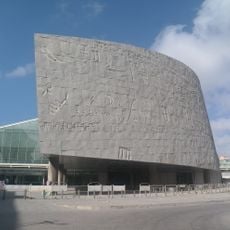
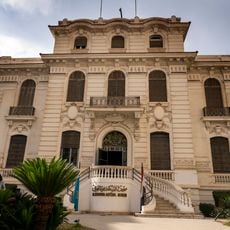
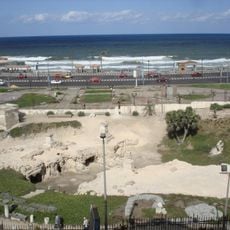
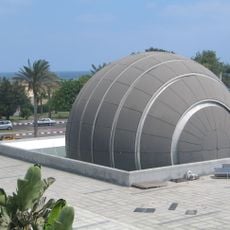
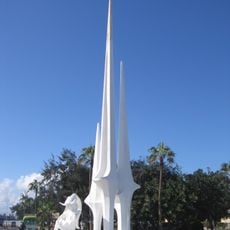
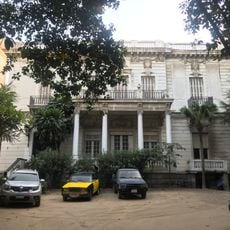
A modern monument marks the approximate location where the complex once stood, serving as a focal point for understanding the site. Nearby museums provide information about the history and offer physical context for imagining what once existed here.
Eratosthenes calculated the circumference of Earth here, while Aristarchus proposed that the Sun stands at the center of the universe. These findings emerged centuries before European scholars revisited such ideas.
The community of curious travelers
AroundUs brings together thousands of curated places, local tips, and hidden gems, enriched daily by 92,668 contributors worldwide.