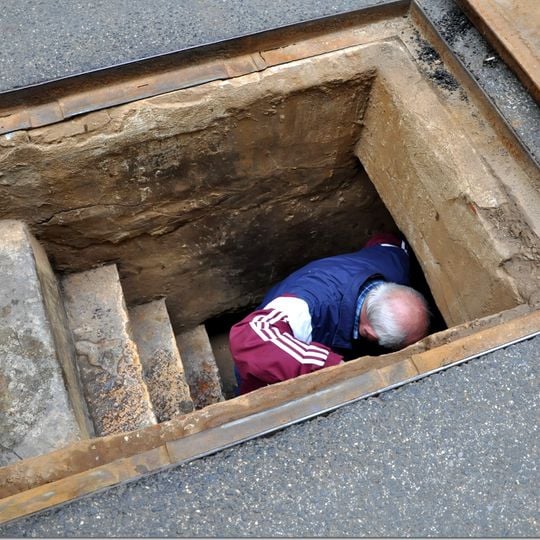
Galerias Romanas da Rua da Prata, Roman cryptoporticus in Santa Maria Maior, Lisbon, Portugal
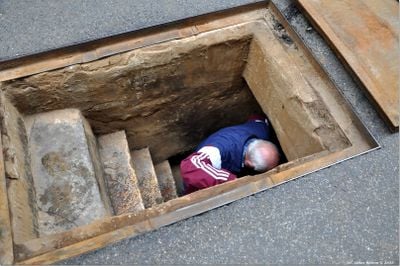
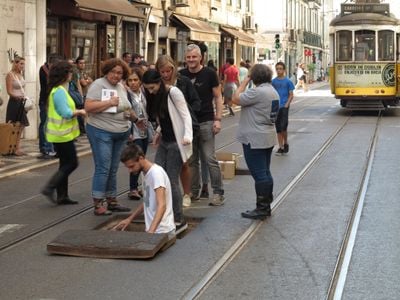
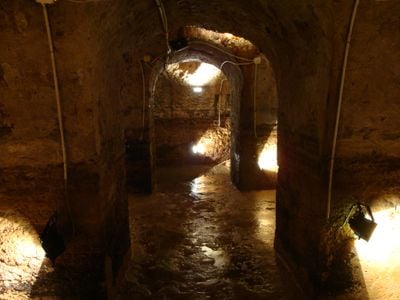
The Galerias Romanas da Rua da Prata, also known as the Criptopórtico da Rua da Prata, is a Roman cryptoporticus in the Santa Maria Maior area of Lisbon, Portugal. It consists of a network of underground vaulted corridors, each about 3 meters high and 2 to 3 meters wide, with flat vertical walls and circular arches, and is accessed through a manhole in the street.
The structure was built during the Roman era, likely in the 1st century AD, and was discovered in 1770 during the reconstruction of Lisbon after the 1755 earthquake. It was initially thought to be Roman baths, but later research identified it as a cryptoporticus, and it has been open to the public since 1986.
The site is often called the Roman Galleries, and locals know it as one of the city's hidden treasures that only opens on special occasions. During these openings, visitors can walk through the same corridors that were once part of a Roman building, and the experience feels like stepping back in time.
Visits are only possible a few times a year, usually in April and September, when the water is pumped out and guided tours are offered. The entrance is a manhole in the street, so it is not suitable for people with mobility issues, and you should be prepared for a somewhat cramped and wet environment.
The galleries are flooded most of the year, and the water is pumped out only for visits, revealing a fissure that has let water in since Roman times. A marble slab dedicated to Esculápio, the god of medicine, was found here and is now in the Archaeological Museum.
The community of curious travelers
AroundUs brings together thousands of curated places, local tips, and hidden gems, enriched daily by 90,738 contributors worldwide.