Buenos Aires Underground, Rapid transit system in Buenos Aires, Argentina
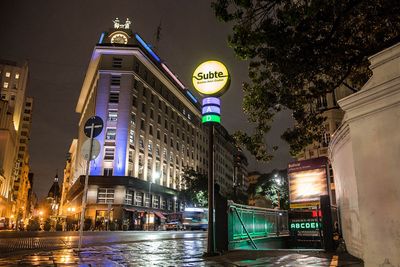
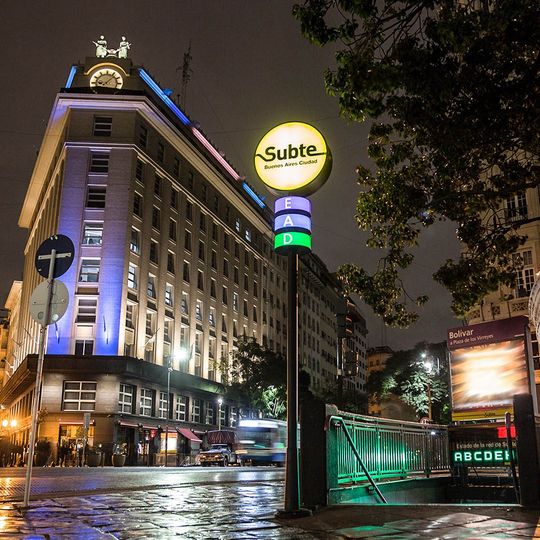
The Buenos Aires Underground is a subway system connecting around 90 stations across six color-coded lines spanning about 57 kilometers. Trains run beneath the Argentine capital, reaching residential neighborhoods, the historic center, and business and university districts.
The first line opened in December 1913, becoming the oldest subway in Latin America and the southern hemisphere. Additional lines followed in the following decades, with the network gradually expanding particularly from the 1930s onward.
Individual stations carry names that recall central moments in Argentine history, like Plaza de Mayo or Congreso de Tucumán. Today locals use the subway to commute to work, while travelers discover wall paintings and installations in the tunnels that have become part of everyday city life.
To use the system, travelers need a SUBE card, available at many kiosks and in stations. Trains run from early morning until late evening, with rush hours in the morning and late afternoon often bringing crowded conditions.
Some old carriages from the early decades of the 20th century still run on Line A today, carrying passengers with wooden benches and brass details through the city. These rolling witnesses to history stand in contrast to modern trains on other lines and recall the beginnings of public transit in the region.
The community of curious travelers
AroundUs brings together thousands of curated places, local tips, and hidden gems, enriched daily by 92,883 contributors worldwide.