Centro Histórico de Évora, Historic center of Évora, Portugal
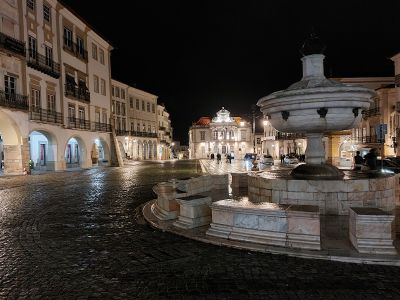
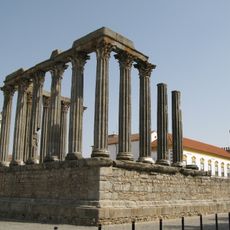
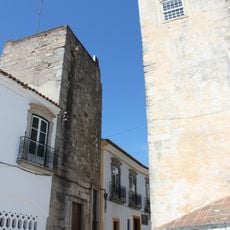
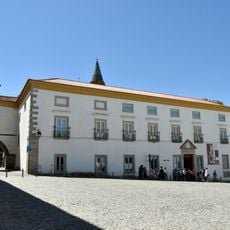
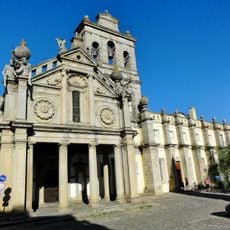
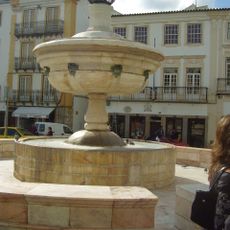
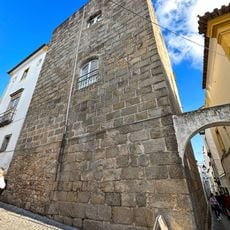
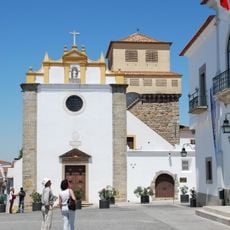
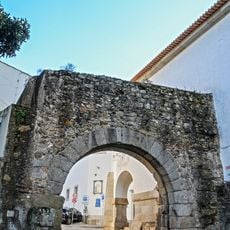
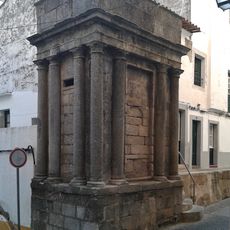
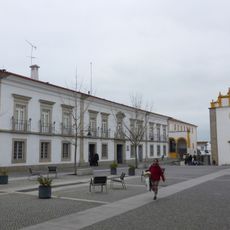
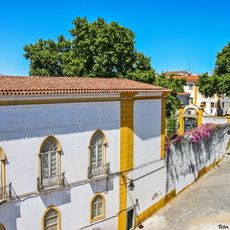
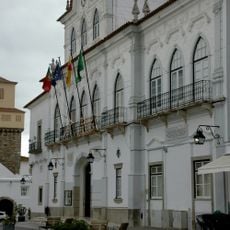
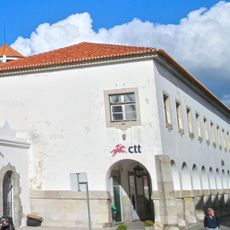
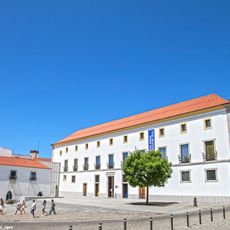
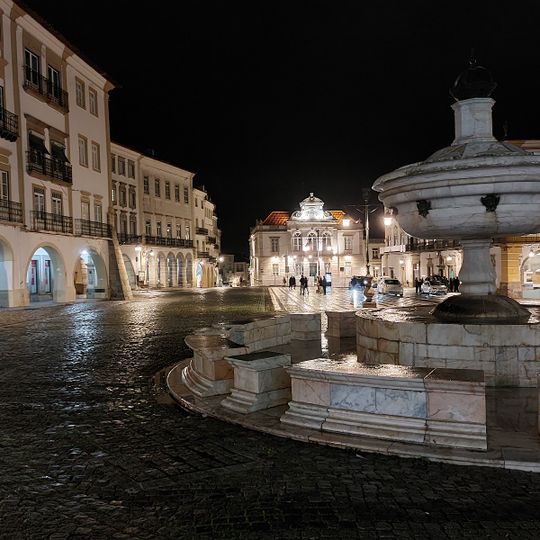
The Centro Histórico de Évora is the old city center of Évora in southern Portugal, enclosed by a medieval wall dating to the 14th century. Inside, narrow cobbled lanes connect a Roman temple, Gothic churches, monasteries, open squares, and fountains spread across a compact hilltop area.
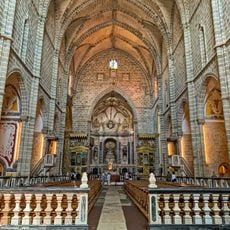
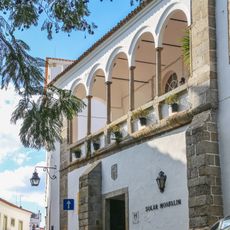
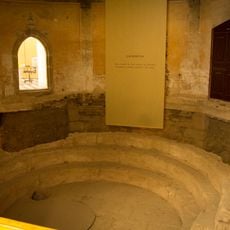
Évora was founded by the Romans, who built a temple and a forum that still shape the center of the city today. Between the 15th and 16th centuries the city served as a royal residence, which led to the construction of many of the churches and palaces still standing in the old quarter.
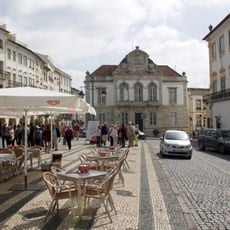
Blue-and-white painted tiles called azulejos appear on building facades, church interiors, and even private homes throughout the old center. Afternoons in the main squares tend to draw locals for coffee and conversation, giving the place a slow, unhurried rhythm that visitors can easily join.
The historic center is best explored on foot, though sturdy shoes are recommended because many streets are cobbled and slope uphill. Visiting in the early morning or late afternoon makes it easier to move around, as the lanes are narrowest where foot traffic tends to concentrate.
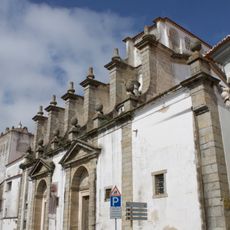
Inside the Igreja de São Francisco, there is a chapel whose walls and ceiling are covered with human bones and skulls taken from local cemeteries. An inscription above the entrance translates roughly as 'We bones here await yours', which sets the tone for what visitors find inside.
The community of curious travelers
AroundUs brings together thousands of curated places, local tips, and hidden gems, enriched daily by 91,872 contributors worldwide.