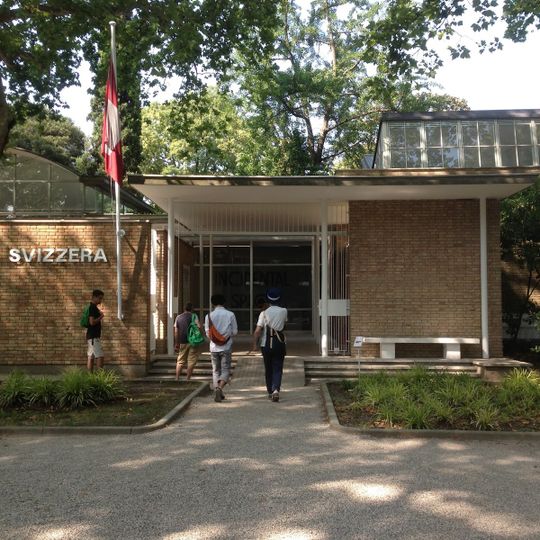
Swiss Pavilion, Art museum in Venice, Italy
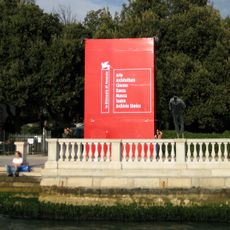
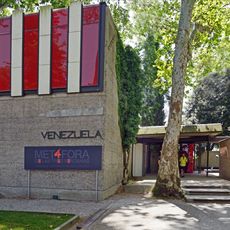
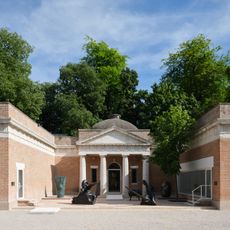
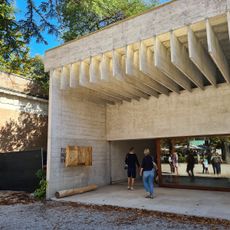
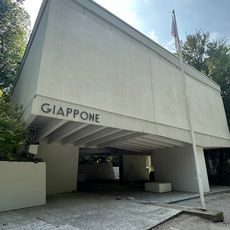
The Pavillon suisse is a small exhibition building in the Giardini della Biennale in Venice, dedicated to Switzerland's participation in the Venice Biennale. Designed by architect Bruno Giacometti and completed in 1952, it consists of several rooms connected through open courtyards.
Switzerland has taken part in the Venice Biennale since its early years, originally using a pavilion on a different island in the city. The current building was constructed after a design competition, and between 1990 and 2009 Switzerland also used the San Stae church as an additional exhibition venue.
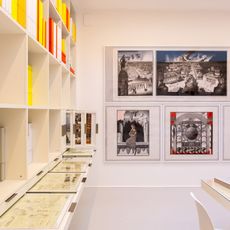
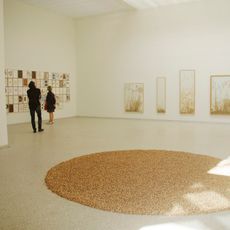
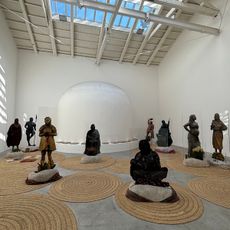
The pavilion is managed by Pro Helvetia, the Swiss arts foundation, which selects the artists and organizes each exhibition. Alongside the shows, talks and events take place there, giving visitors a chance to engage directly with the ideas behind the works.
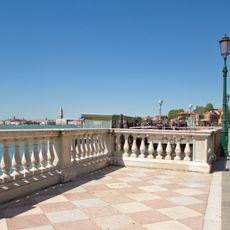
The pavilion sits within the Giardini della Biennale, a site with many national pavilions that can easily be explored on foot. It only opens during the Venice Biennale, which takes place every two years, so it is worth checking the dates in advance.
Bruno Giacometti, who designed the pavilion, was the brother of sculptor Alberto Giacometti, whose elongated figures are found in museums around the world. The plain, functional building thus reflects a family tradition where form serves content rather than drawing attention to itself.
The community of curious travelers
AroundUs brings together thousands of curated places, local tips, and hidden gems, enriched daily by 91,393 contributors worldwide.