House of the Menander, Historic site in Pompeii, Italy
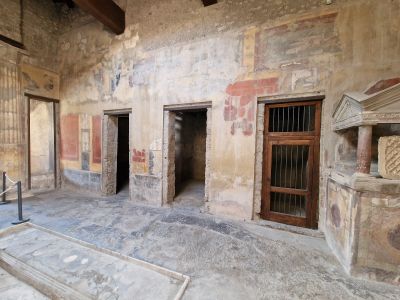
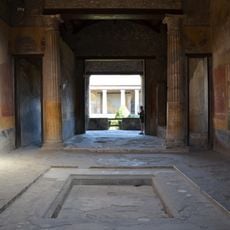
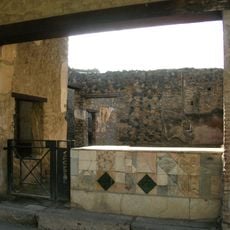
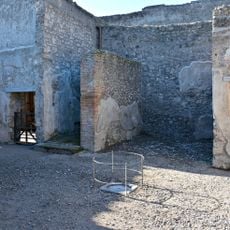
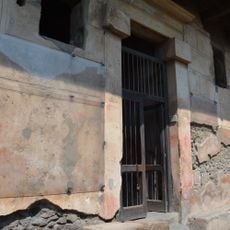
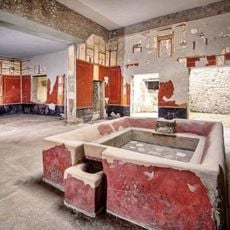
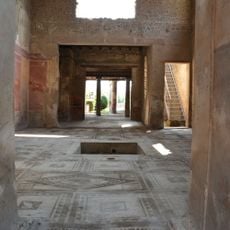
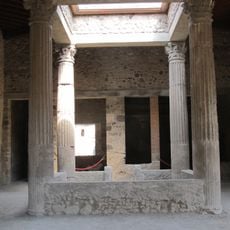
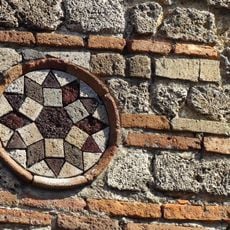
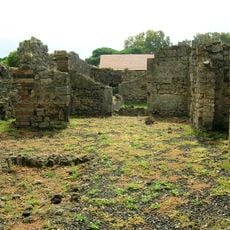
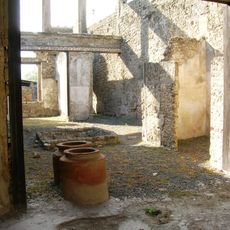
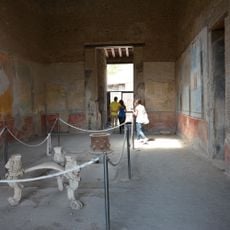
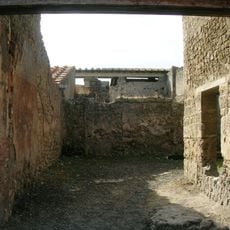
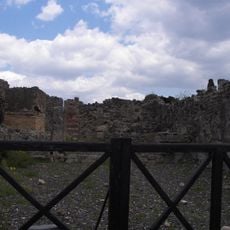
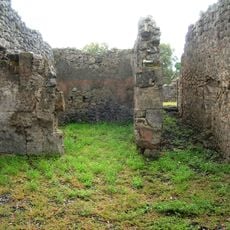
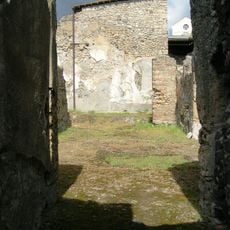
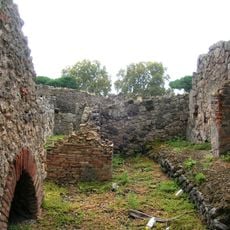
The House of the Menander is one of the largest private residences in Pompeii, a historic site in southern Italy. It is organized around a central hall with a rainwater pool, a garden surrounded by columns, a large dining room, private baths, and service areas including kitchens and storage rooms.
The house was first built around the 2nd century BC and was remodeled several times over the following centuries, with major changes during the Augustan period. It was buried by the eruption of Vesuvius in 79 AD and excavated between 1926 and 1932.
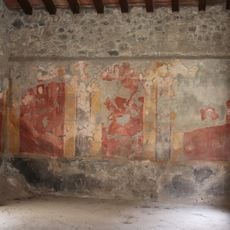
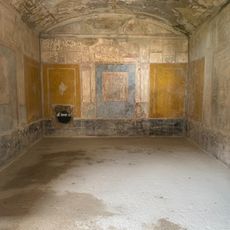
In a room behind the main garden, a fresco shows the Greek poet Menander reading, and this painting gave the house its name. It reflects how Greek literature was part of everyday life for wealthy Roman families in Pompeii.
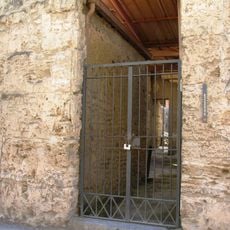
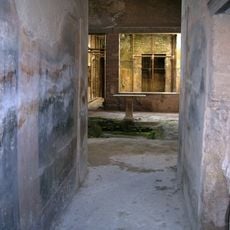
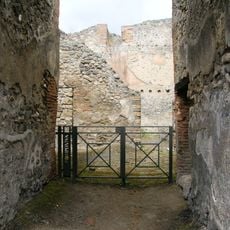
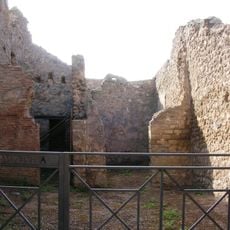
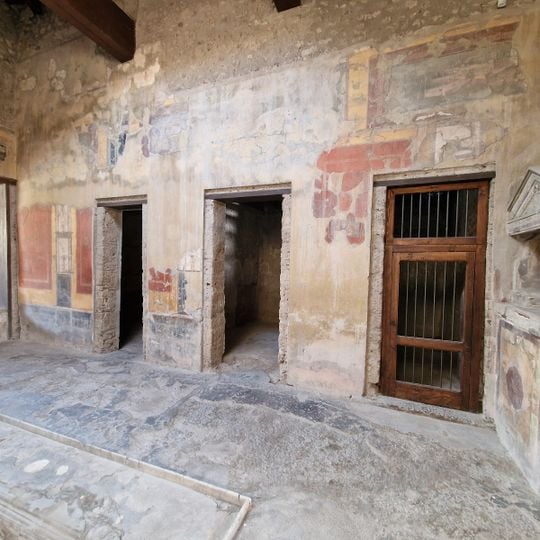
The site is inside the archaeological park of Pompeii and is explored on foot, with rooms accessible directly from the main path. Visiting in the morning tends to give better light for seeing the wall paintings and mosaics inside the rooms.
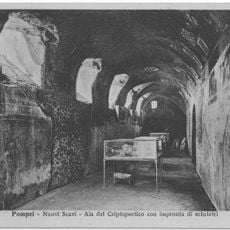
When the house was excavated, plaster casts revealed twelve people who appear to have been looting valuables after the eruption began, only to be killed by a later blast. Separately, a hoard of 118 silver objects was found wrapped in cloth inside a wooden cabinet, hidden away before the final disaster.
The community of curious travelers
AroundUs brings together thousands of curated places, local tips, and hidden gems, enriched daily by 92,079 contributors worldwide.