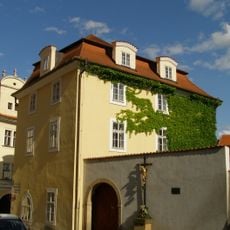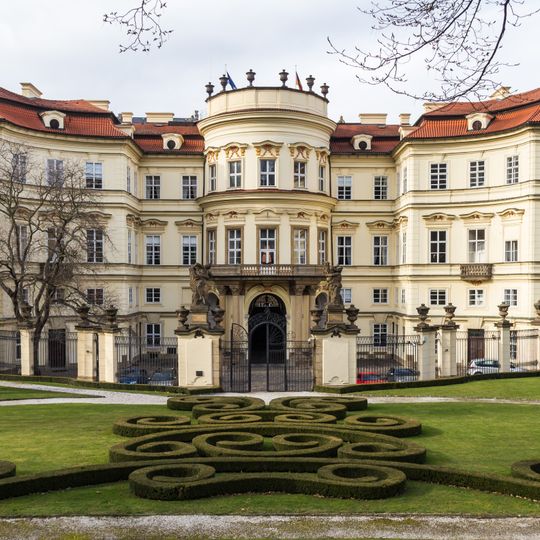
Lobkowitz Palace, Baroque palace in Malá Strana, Prague, Czech Republic
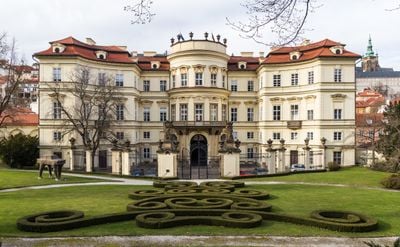
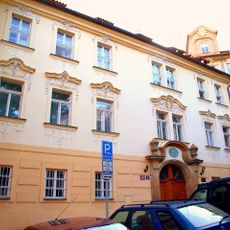
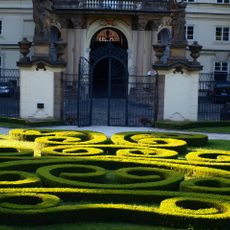
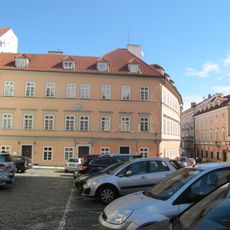
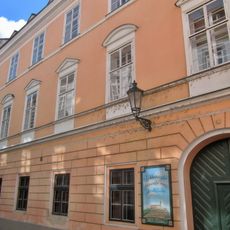
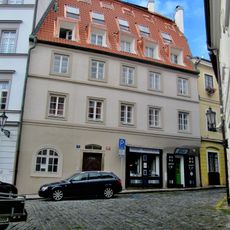
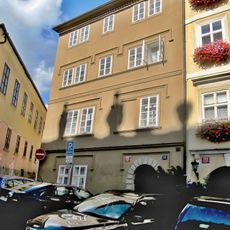
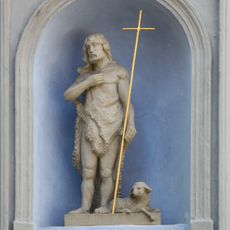
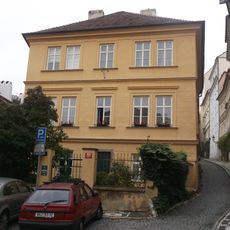
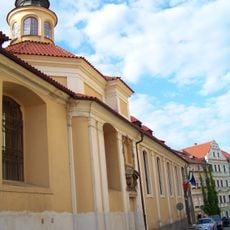
Lobkowitz Palace is a baroque building at Vlašská 347/19 in Malá Strana, Prague, not inside Prague Castle. It was built from 1703 to 1707 by Giovanni Battista Alliprandi for Count František Karel Přehořovský, with a street and garden facade, a garden with sculpture and a former orangery holding a sala terrena. Since 1974 it has housed the German embassy.
Count František Karel Přehořovský had the palace built after 1702 to Giovanni Battista Alliprandi's design on the site of a Strahov monastery brewery and the house U tří mušketýrů; debts forced its auction in 1713. The Lobkowicz family owned it from 1753, and after a fire Ignác Palliardi added the upper floor in 1769. In 1927 the family sold it to the Czechoslovak state, and since 1974 it has housed the German embassy.
The palace takes its name from the Lobkowicz family, who acquired it in 1753 when Maria Josefa Ludmila Černín von Chudenic married Prince August Anton Josef von Lobkowicz; it became the Prague seat of their Hořín-Mělník branch. In the domed hall, Ludwig van Beethoven and Carl Maria von Weber gave concerts. A plaque on the first-floor balcony recalls Hans-Dietrich Genscher's 1989 speech.
The palace stands at Vlašská 19 in Malá Strana, a short walk from Malostranské náměstí. It is a working German embassy, so only the exterior, the garden and the balcony with its memorial plaque can be seen from outside; interior access is limited to occasional open days.
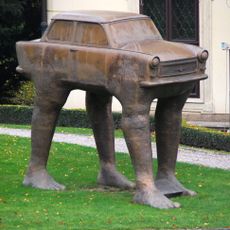
On 30 September 1989, Foreign Minister Hans-Dietrich Genscher announced from the first-floor balcony that East German refugees camped in the garden could leave for the West; his sentence was drowned out by cheers. A plaque on the balcony marks the event, and David Černý's sculpture "Quo vadis" (a Trabant) recalls it.
The community of curious travelers
AroundUs brings together thousands of curated places, local tips, and hidden gems, enriched daily by 92,182 contributors worldwide.