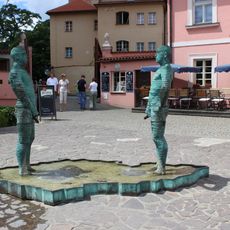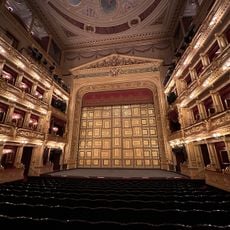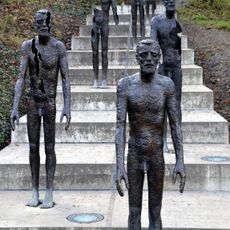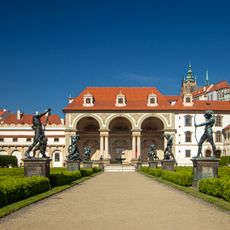
Malá Strana, Historic district on the left bank of Vltava River, Prague, Czech Republic
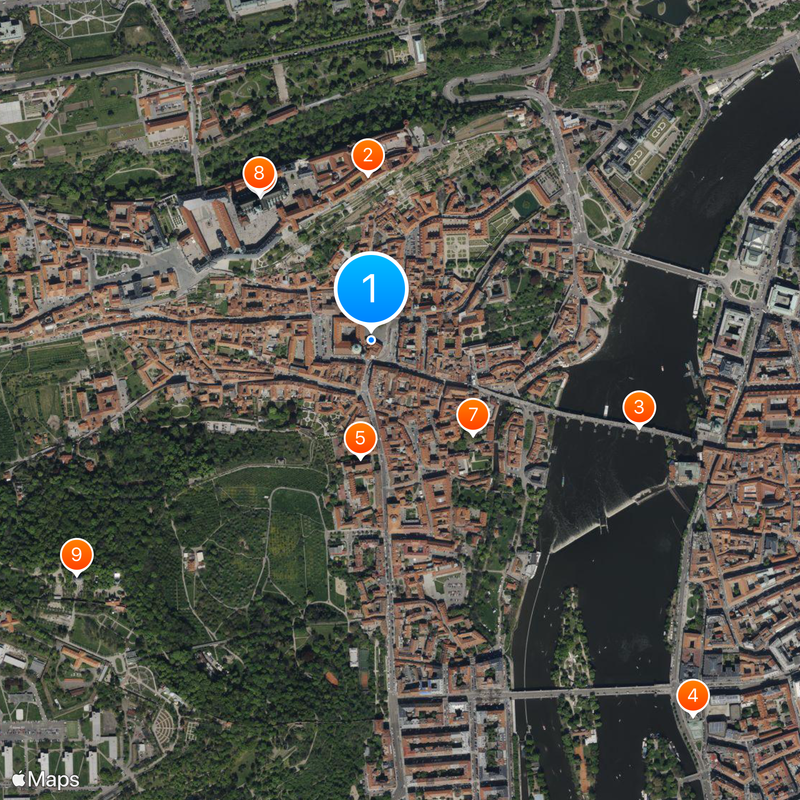
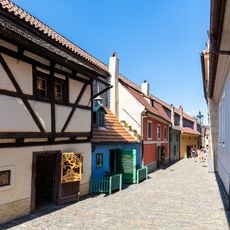
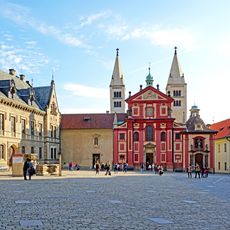
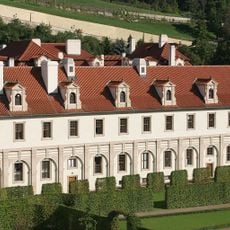
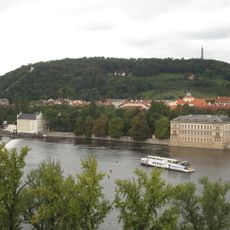
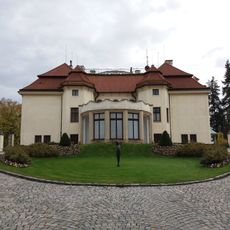
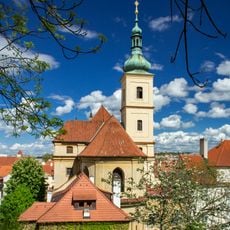
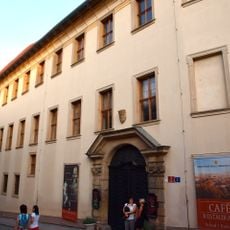
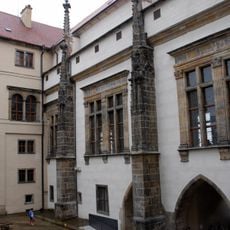
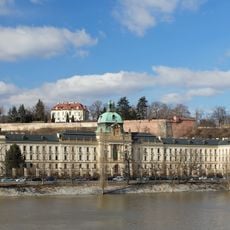
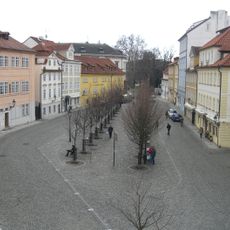
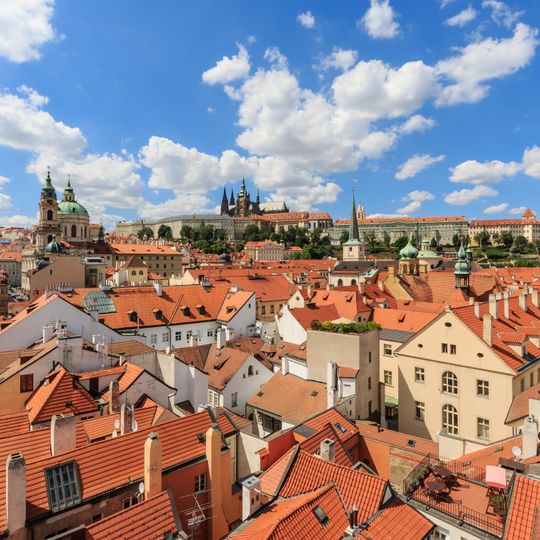
Malá Strana is a district on the left bank of the Vltava River in Prague, consisting of winding cobblestone streets lined with Renaissance and Baroque buildings. These structures layer up the slopes of Petřín Hill, with multi-story buildings wrapped around hidden courtyards and narrow passages.
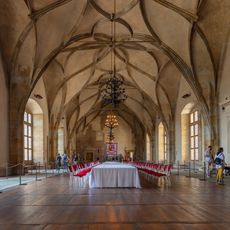
Founded in 1257 by King Ottokar II, the district grew as a settlement for German and Italian communities during medieval times. Subsequent centuries brought reconstruction and architectural evolution, as fires and conflicts reshaped the area and led to the layered building styles visible today.
Daily life unfolds in quiet courtyards and small shops tucked beneath Renaissance arches, where locals still conduct business as they have for centuries. The district feels lived-in rather than frozen in time, with residents navigating the same winding streets as their ancestors did.
Early morning or late afternoon visits work best when crowds are smaller and streets feel less busy. The cobblestones and steep elevation changes require sturdy footwear and caution when surfaces are wet.
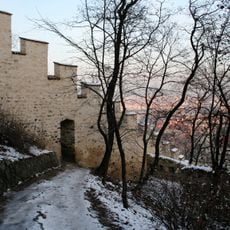
A network of medieval walls threads through the Petřín Hill slopes, including the Hunger Wall constructed during Charles IV's reign, now functioning as a walking trail. This ancient defensive line offers panoramic views across the city while linking hidden green spaces between built areas.
The community of curious travelers
AroundUs brings together thousands of curated places, local tips, and hidden gems, enriched daily by 90,874 contributors worldwide.