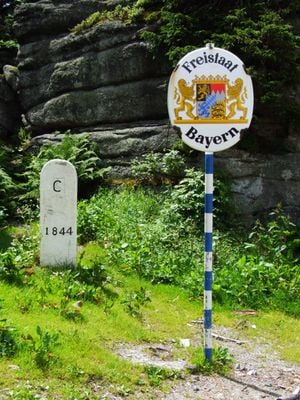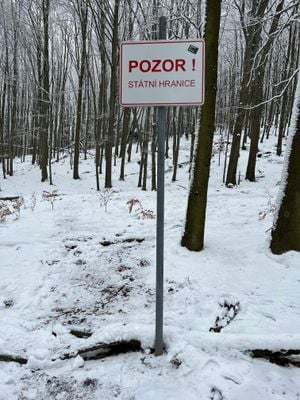
Czech Republic–Germany border, International border in Central Europe.
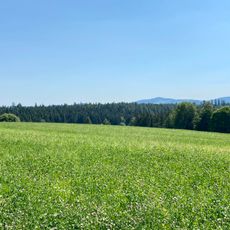
The border between Germany and the Czech Republic extends 815 kilometers from north to south, marking the line between the two nations. It follows river courses in some sections and cuts through regions with varying terrain and landscapes.
The boundary originated from the historical division between Bohemian Crown lands and the German Empire, becoming one of Europe's most fortified borders during the Cold War. Following the fall of the Iron Curtain in 1989, the region opened and today the Schengen Agreement allows free movement.
The boundary divides two nations with separate languages and customs, yet rivers like the Elbe have connected people on both sides for centuries. Local communities have learned to share these natural waterways together despite political borders.
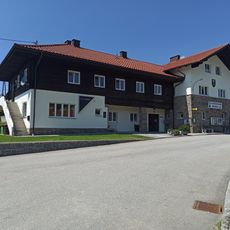
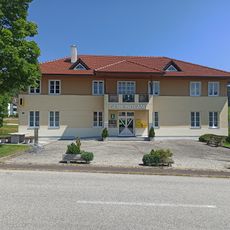
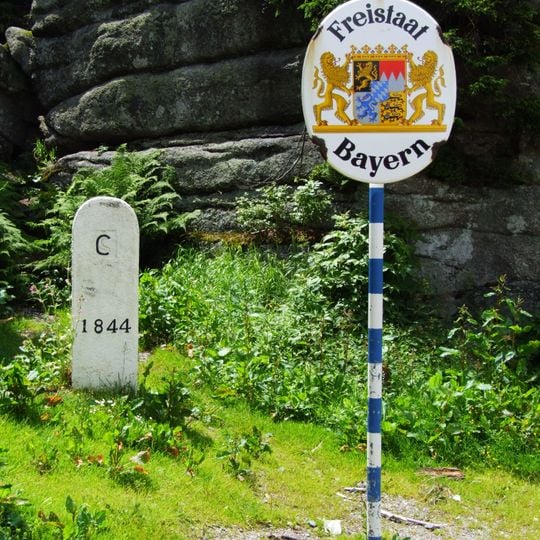
Travelers can cross at many border crossings without controls since both countries are part of the European Union and Schengen Area. It helps to recognize local road signs and be aware that language and traffic rules differ on each side.
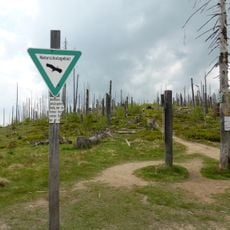
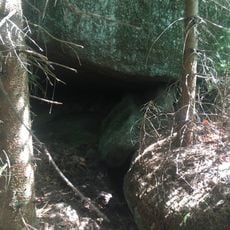
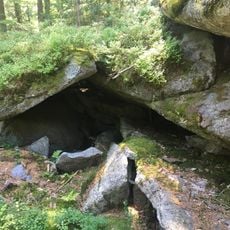
Ruins of watchtowers and fortification structures from different eras still stand in the border region today. These remnants tell stories of separation, yet also reveal how porous these boundaries were for people despite their physical barriers.
The community of curious travelers
AroundUs brings together thousands of curated places, local tips, and hidden gems, enriched daily by 90,973 contributors worldwide.