Redonda Formation, Geological formation in northern New Mexico, US
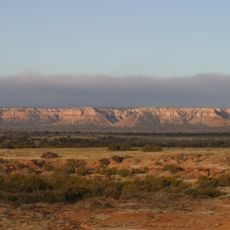
Redonda Formation is a rock unit in northern New Mexico made up of layers of red-brown sandstone and mudstone. These deposits formed during the Late Triassic and today spread across several counties, creating the exposed red-toned hills visible throughout the region.
Scientists first classified this rock unit as part of the Chinle Formation in 1947, then elevated it to its own formation status in 1959. That change in classification helped geologists better understand the Triassic rock sequences across the region.
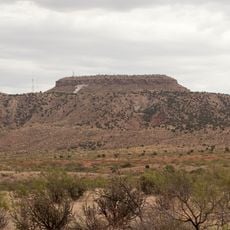
The name comes from the Spanish word for round, referring to the landscape's shape in this area. Visitors today see reddish-toned hills and exposed rock faces that define the appearance of this high desert region.
The rock exposures spread across multiple counties and are best accessed via local roads and walking routes. Visitors should prepare for hot, dry conditions and bring plenty of water and sun protection when exploring the area.
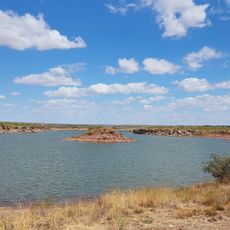
The rocks preserve traces of an ancient lake system with many invertebrate fossils like seed shrimp and clam shrimp. These tiny fossils reveal clues about life in this prehistoric water body hundreds of millions of years ago.
The community of curious travelers
AroundUs brings together thousands of curated places, local tips, and hidden gems, enriched daily by 60,000 contributors worldwide.