Stockton Street Historic District, historic district in New Jersey, United States
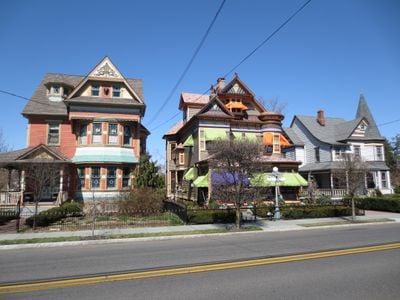
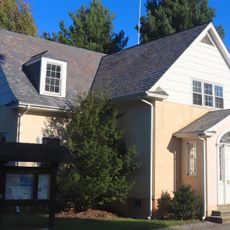
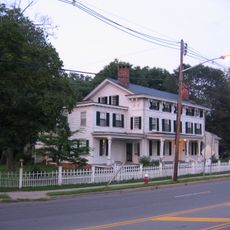
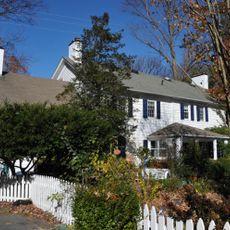
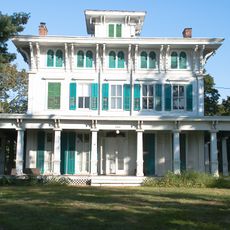
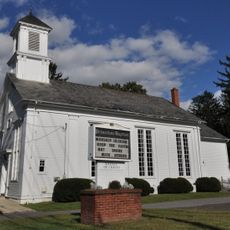
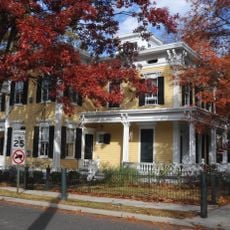
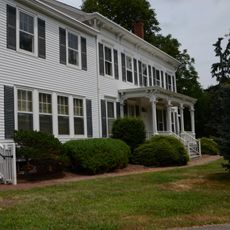
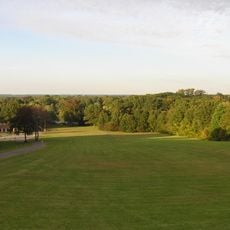
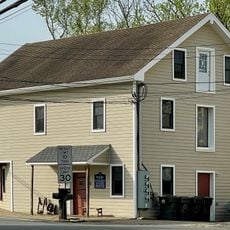
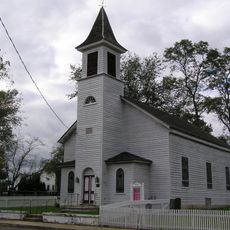
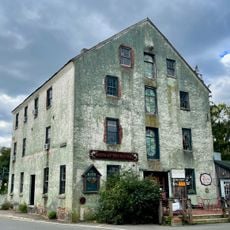
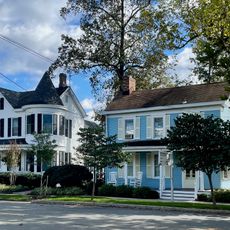
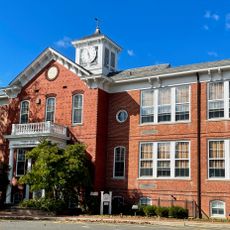
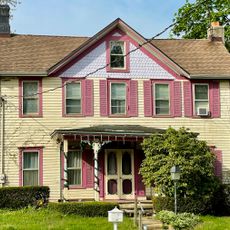
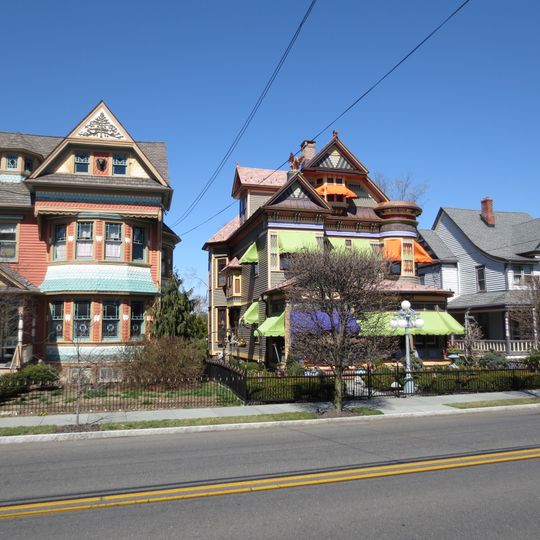
The Stockton Street Historic District is a neighborhood in Hightstown, New Jersey that contains hundreds of buildings from the mid-1800s to early 1900s, displaying various architectural styles such as Queen Anne, Gothic, Italianate, Federal, and Colonial. The streets are lined with old homes featuring decorative woodwork, tall narrow windows, and brick facades positioned close together, offering a glimpse of how people lived in earlier times.
The district gained its importance from its connection to the first rail service in the United States, with tracks running along what is now Railroad Avenue, and in 1832 the steam-powered locomotive John Bull stopped in Hightstown. This small town played a significant role in the development of transportation and the expansion of early railway networks.
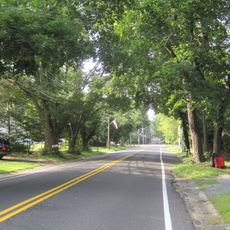
The streets of the district are still used by the community for walking and daily life, with many houses featuring small gardens where residents grow flowers or vegetables. The neighborhood feels friendly and open, with a shared sense of history and connection that remains visible in how people use these spaces.
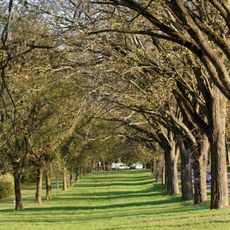
The streets are not heavily trafficked with cars most of the time, making walks through the area peaceful and easy to navigate. The restored brick and stone sidewalks along with added landscaping make the district accessible and welcoming for visitors on foot.
One of the most remarkable features of the district is the Civil War Monument, a tall pillar with a statue honoring local men who fought in the Civil War, situated in a small park area. This memorial has stood for over a century and is visited by residents during special occasions and community events.
The community of curious travelers
AroundUs brings together thousands of curated places, local tips, and hidden gems, enriched daily by 91,275 contributors worldwide.