Adams Avenue Historic District, Historic district in Memphis, United States
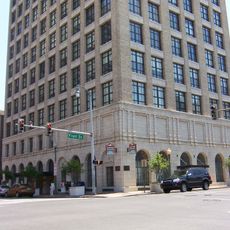
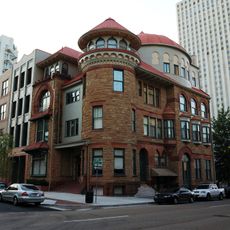
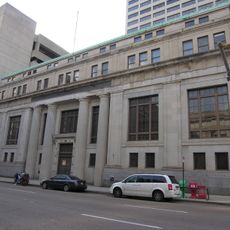
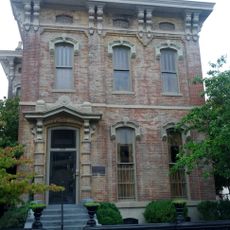
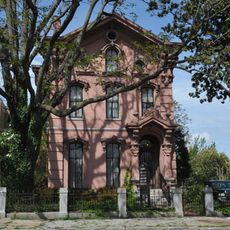
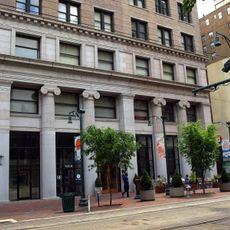
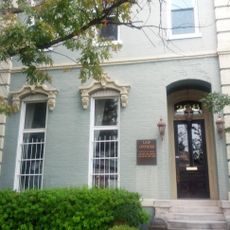
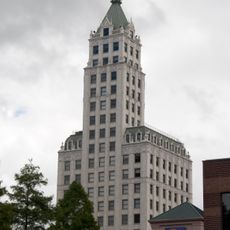
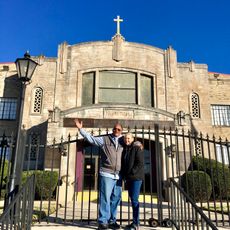
Adams Avenue Historic District covers 9 acres (3.6 ha) of downtown Memphis and was listed on the National Register of Historic Places in 1980. Its six contributing buildings are St. Peter's Roman Catholic Church (1852) at 190 Adams Ave., North Memphis Savings Bank (1901) at 110 Adams Ave., the Shelby County Courthouse (1909) at 160 Adams Ave., Fire Engine House No. 1 (1910) at 118 Adams Ave., the Memphis Police Station (1911) at 128 or 130 Adams Ave., and the Criminal Courts Building (1925) at 156 Washington Ave.
The district was added to the National Register of Historic Places in 1980 and includes St. Peter's Roman Catholic Church from 1852 and North Memphis Savings Bank from 1901. These buildings represent different phases of Memphis's development as a growing city during the 19th and early 20th centuries.
St. Peter's Roman Catholic Church, built in 1852 at 190 Adams Ave., is the oldest contributing building in the district. The Shelby County Courthouse, finished in 1909, carries sculpture groups by J. Massey Rhind in its four pediments. Nathan Bedford Forrest reportedly ran a slave market in this district, said to have been the South's largest at the time.
The six contributing buildings sit on Adams Avenue between 110 and 190, plus the Criminal Courts Building at 156 Washington Avenue, so the whole district fits within a few blocks of downtown Memphis. St. Peter's Church, the bank, the courthouse, the fire house and the police station are all on Adams; walk Adams first, then turn onto Washington for the courts building.
The district's most notorious association is with Nathan Bedford Forrest, who reportedly ran a slave market here, said to be the South's largest at the time. The six contributing buildings were listed on the National Register in 1980.
The community of curious travelers
AroundUs brings together thousands of curated places, local tips, and hidden gems, enriched daily by 92,821 contributors worldwide.