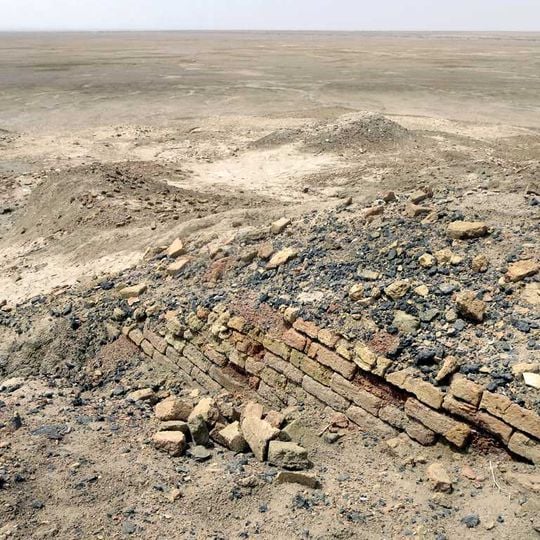
Eridu, Archaeological site near Tell Abu Shahrain, Iraq
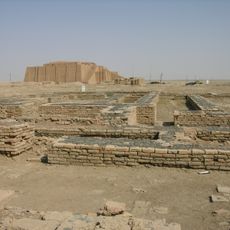
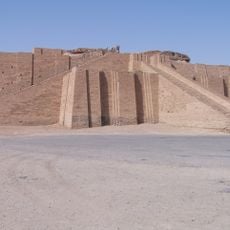
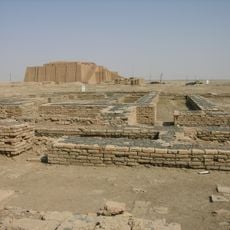
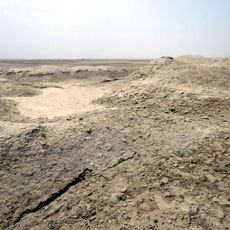
Eridu is an ancient site south of Tell Abu Shahrain in Dhi Qar Governorate with remains from several millennia of human occupation. The ruins show foundations of sanctuaries, domestic buildings, and a stepped platform, spread across a dry area near former marshland.
The first settlement emerged in the sixth millennium before the common era as a small village with reed huts near the marshes. Later inhabitants rebuilt and expanded the sanctuary many times over centuries until the city was abandoned around the seventh century before the common era.
Eridu was the cult centre of Enki, god of the freshwater aquifer Abzu; his temple was called E-Abzu, later E-engur, and its name referred to that underground realm. The Sumerian King List names Eridu's kings as the first successors of the reign of heaven, and Babylonian epics held it the first city created. In July 2016 UNESCO inscribed Tell Eridu within the Ahwar of Southern Iraq World Heritage site.
The site sits away from main roads and is best reached with a vehicle, as public transport is sparse in this rural area. Visitors should bring a knowledgeable companion to explain the different excavation sections and guide the way through the wide open terrain.
Excavators found tiny fish bones and shells in the oldest layers, showing that the first inhabitants lived at the edge of a lagoon and depended on fishing. Over time the water receded and people adapted to the new dry surroundings.
The community of curious travelers
AroundUs brings together thousands of curated places, local tips, and hidden gems, enriched daily by 92,326 contributors worldwide.