Ctesiphon, Archaeological site in east-central Iraq
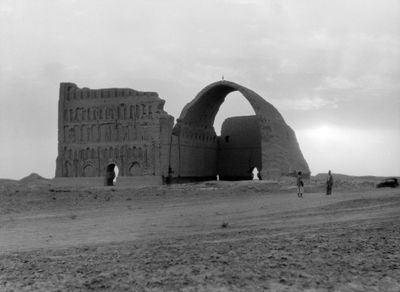
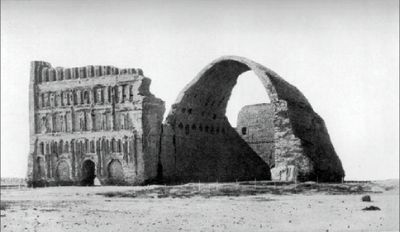
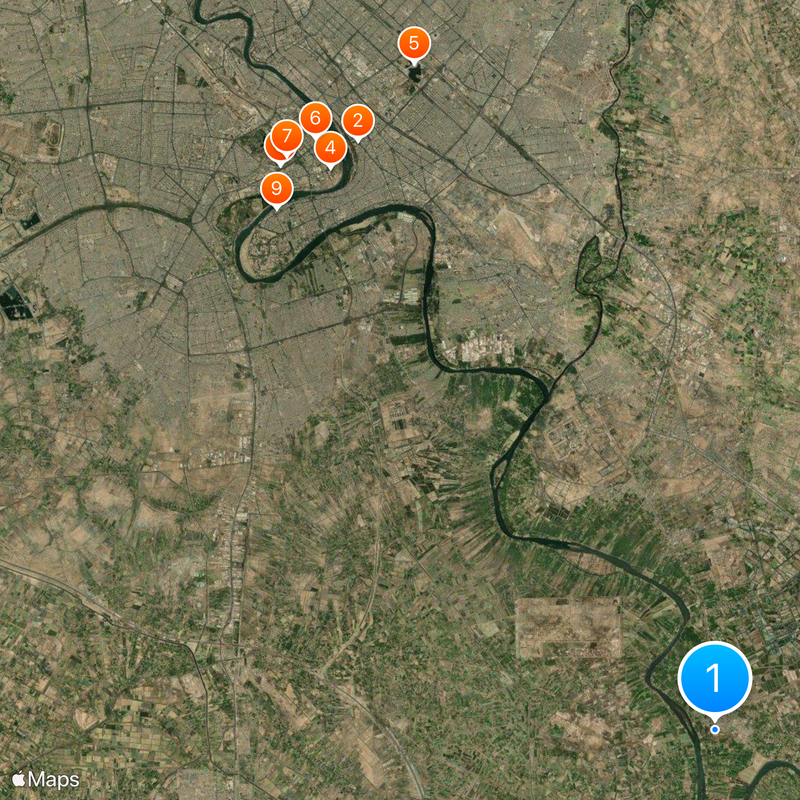
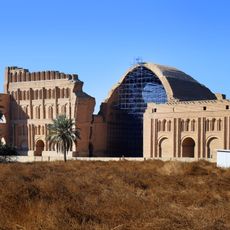
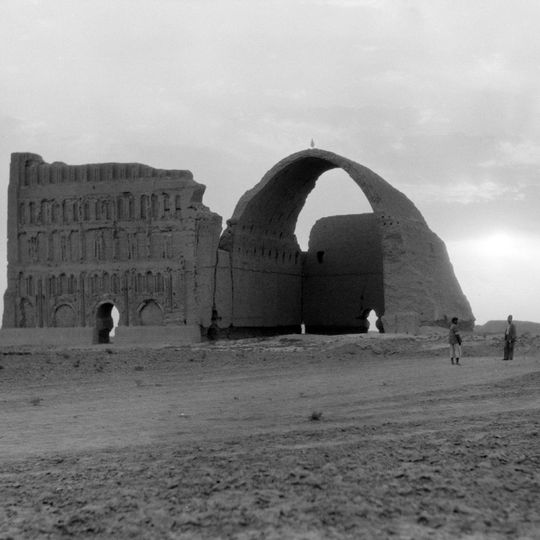
Ctesiphon is an ancient city and archaeological site on the eastern bank of the Tigris in Iraq, located about 35 kilometers southeast of Baghdad. The largest remaining structure is the Taq Kasra, a massive brick arch that once formed the main hall of a palace complex.
The place arose around 120 BCE as a Parthian military camp and grew into the winter capital of successive empires. The Sasanians expanded the city greatly from the third century CE before Arab forces captured it in 637.
The site takes its name from Greek sources and lay in the heartland of the Sasanian empire, a region where several faiths coexisted. Visitors today can recognize the scale of the audience hall, which rulers once used as a reception room for envoys from across the realm.
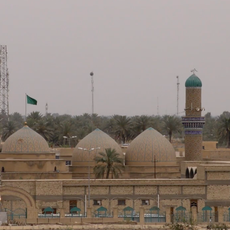
The ruins lie in the village of Salman Pak southeast of Baghdad and can be reached by a road that follows the river. Visitors should prepare for uneven ground and note that the area has limited infrastructure.
The Taq Kasra is the largest unsupported brick arch from antiquity, reaching 37 meters (121 feet) high and 26 meters (85 feet) across. The construction stands without additional support pillars and demonstrates the advanced building techniques of Sasanian engineers.
The community of curious travelers
AroundUs brings together thousands of curated places, local tips, and hidden gems, enriched daily by 90,859 contributors worldwide.