Archaeological Heritage of the Lenggong Valley, Archaeological site in Perak, Malaysia
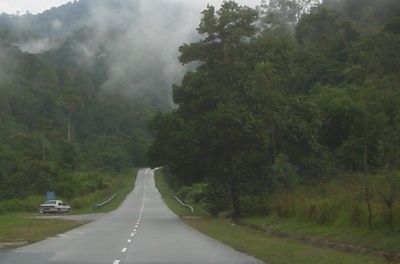
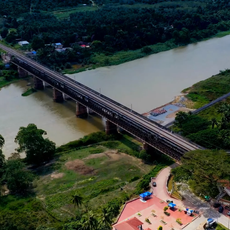
The Archaeological Heritage of the Lenggong Valley is a UNESCO World Heritage Site in Perak, Malaysia, made up of four research sites spread between limestone hills. The sites combine caves and open-air excavation areas where stone tools, pottery, ornaments, and human remains from different periods have been uncovered.
The Lenggong Valley holds evidence of human activity spanning from about 1.83 million years ago to roughly a thousand years ago, one of the longest records at a single site outside Africa. In 1991, archaeologist Siti Zuraina Abdul Majid's team found the Perak Man skeleton in Gua Gunung Runtuh, dated to 10,120 years ago. The valley became a UNESCO World Heritage Site in 2012.
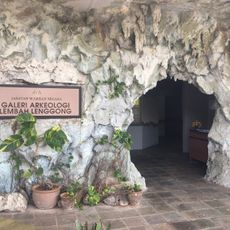
The caves and rock shelters of the Lenggong Valley still show traces of human activity, from worked stones to early ornaments. A nearby museum displays these objects up close, giving visitors a concrete picture of how people lived here over many generations.
Some of the caves require advance permission to enter, so it is worth checking which areas are open before planning a visit. Starting at the nearby museum gives a good overview of the sites before heading out to the valley itself.
The oldest stone tool found in the valley, a hand axe from Bukit Bunuh, is about 1.83 million years old and was embedded in a rock formed when a meteorite struck the site. It is among the earliest tools found outside Africa.
The community of curious travelers
AroundUs brings together thousands of curated places, local tips, and hidden gems, enriched daily by 92,600 contributors worldwide.