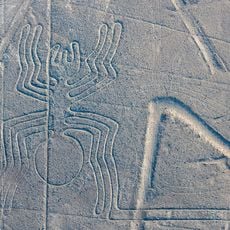
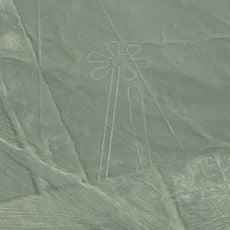
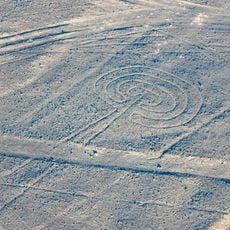
Pampa de Santo Domingo, Archaeological site in Paracas Peninsula, Peru
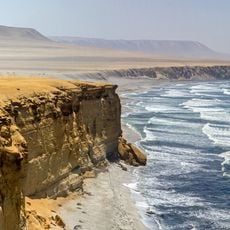
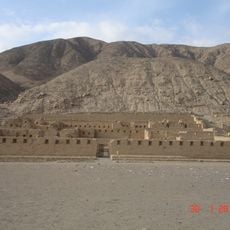
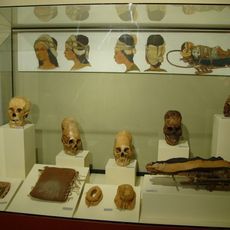
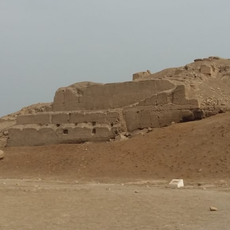
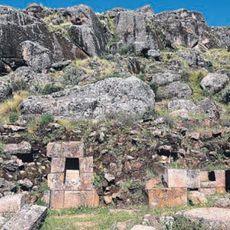
Pampa de Santo Domingo is an archaeological site on the Paracas Peninsula where ancient settlements lie scattered across a desert plain near the Pacific coast. Excavations have uncovered circular homes, burial grounds, and tools that tell the story of people who lived between land and sea.
Human settlement at this location dates back roughly 9000 years, making it one of Peru's earliest inhabited places. Later discoveries confirmed that people had established roots here far earlier than previously thought.
The settlers adapted their way of life to the ocean, developing skills to harvest marine resources for survival. Their decision to build permanent homes in this harsh desert reflects how they learned to work with the local environment.
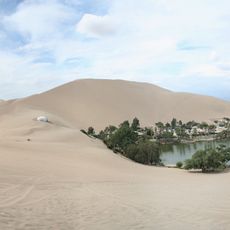
This site lies far from major cities and requires travel through desert terrain to reach it. Visitors should prepare for extremely dry conditions and bring sun protection, as there is little shelter once you arrive.
Early inhabitants crafted fishing nets from cactus fiber, revealing how they transitioned from hunting to exploiting the sea. This innovation allowed them to shift their food sources from land to ocean resources.
The community of curious travelers
AroundUs brings together thousands of curated places, local tips, and hidden gems, enriched daily by 90,749 contributors worldwide.