Tepelenë Castle, Medieval fortress in Tepelenë, Albania
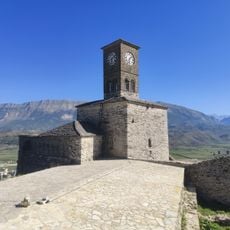
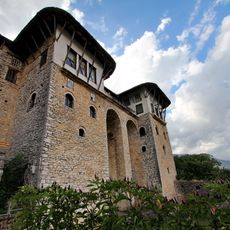
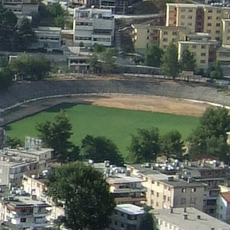
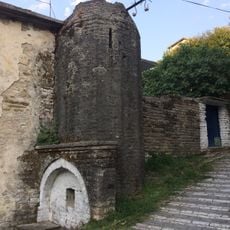
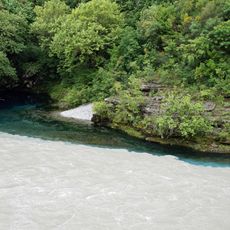
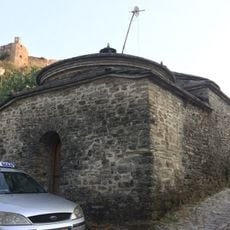
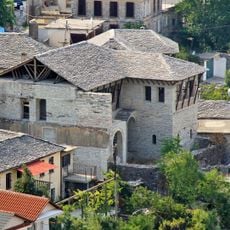
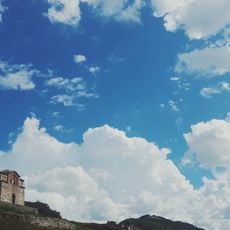
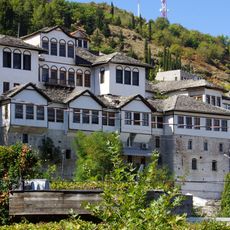
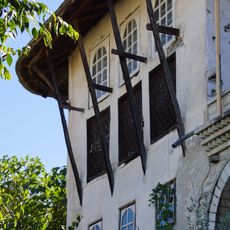
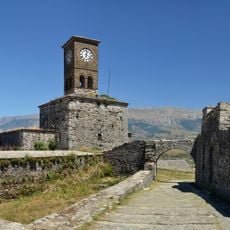
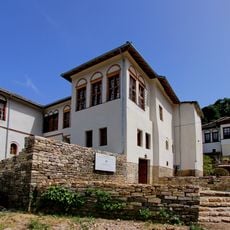
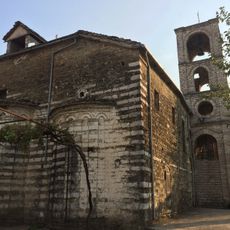
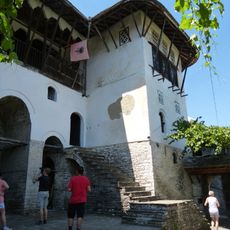
Tepelenë Castle is a fortress built on a hilltop in southern Albania where the Drino and Vjosë rivers meet. The structure includes multiple sections with thick walls, gateways, and buildings integrated into the natural slope of the terrain.
Tepelena is first documented in 1482, during a month-long visit by Sultan Bayezid II; ten years later it appears in a battle between Venetian forces and Albanian rebels against the Ottomans. The Ottomans destroyed a Byzantine fort on the hill and built a small castle, whose 1520 tax register records a garrison of 183 soldiers. Ali Pasha took Tepelena in 1789 and expanded the fortress massively; a Greek inscription on the Vizier Gate gives 1819, but he died in 1822 before it was finished.
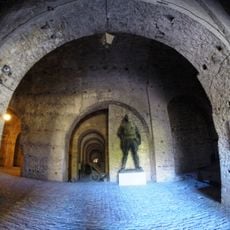
The castle is named after Ali Pashë Tepelena, who took control of Tepelena in 1789 and kept the fortress as one of his residences until 1820. Lord Byron met him here in 1809 and made him famous in Western Europe through Childe Harold's Pilgrimage. A monument to Ali Pasha stands near the main entrance today.
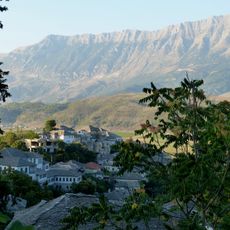
The fortress is relatively accessible from higher ground and offers clear views across the surrounding landscape. Wear comfortable shoes since the terrain is hilly and pathways can be uneven underfoot.
The vanished Ottoman inscription on the main entrance survived until the 1970s, when it disappeared; only the Greek inscription of 1819 on the Vizier Gate remains in place. The old castle of Bayezid II, enclosed within the larger walls, was used by Ali Pasha as a storage space.
The community of curious travelers
AroundUs brings together thousands of curated places, local tips, and hidden gems, enriched daily by 94,461 contributors worldwide.