Tirana Mosaic, Archaeological site in central Tirana, Albania.
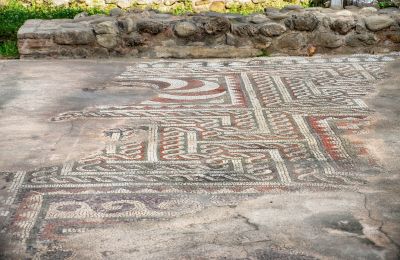
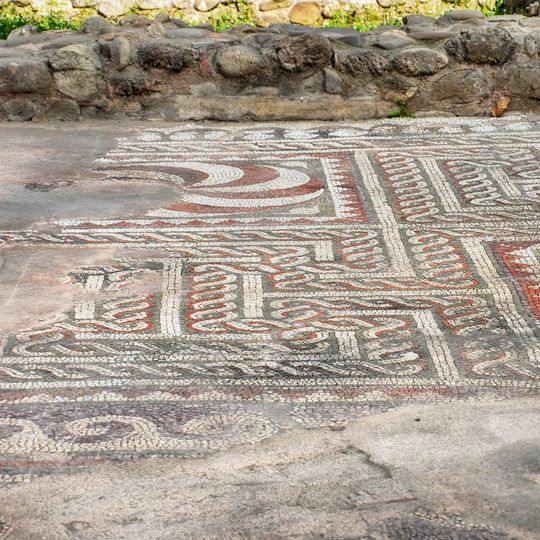
The Tirana Mosaic is an excavated ancient floor decoration displaying geometric patterns and animal motifs from Roman times. The remains reveal multiple layers of buildings from different periods stacked on top of one another.
The site began in the third century as a private Roman residence with elaborate floor decoration. Later, a church building was constructed at the location, marking a shift toward religious use of the area.
The mosaic reveals how Roman residents decorated their homes and which animals held importance in their daily lives. The depictions of fish and poultry provide insight into the everyday routines and diet of the period.
The site is located in the city center and is typically accessible during daytime hours so you can view the mosaics and old structures. It is helpful to check ahead as exact visiting conditions may vary.
The mosaic came to light in 1972 during construction of the Partizani housing block in neighbourhood no. 9. Excavations in 2003–2004 near the enclosure uncovered grape-must fermentation vats and further wall sections. Three Roman-era tombstones sometimes linked to the site were actually found in a separate building and handed to the former Atelier of Cultural Monuments in Tirana.
The community of curious travelers
AroundUs brings together thousands of curated places, local tips, and hidden gems, enriched daily by 94,658 contributors worldwide.