Kirants Monastery, Cultural heritage monastery in Tavush Province, Armenia
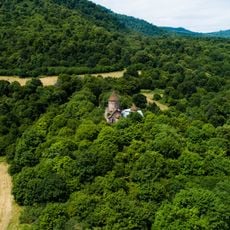
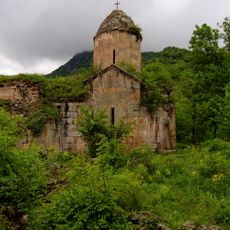
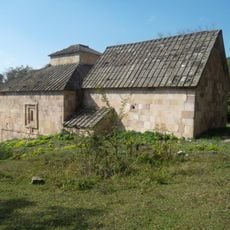
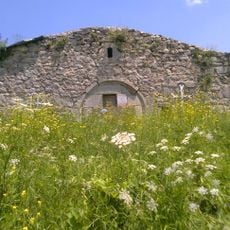
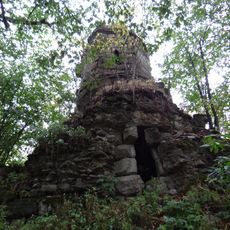
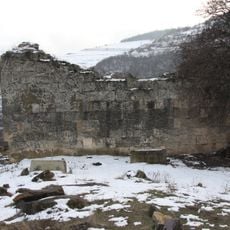
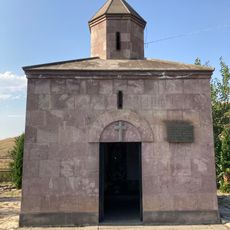
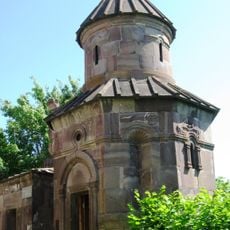
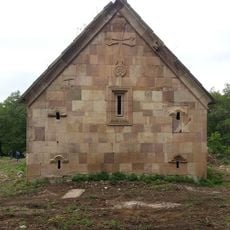
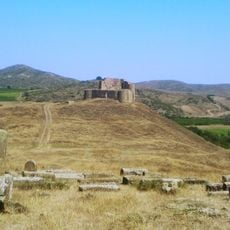
Kirants Monastery is a 13th-century walled complex about 12 km west of Kirants village in Tavush Province, on the left bank of the Kirants-Jur stream. It contains three brick churches with smooth-cut stone details, arched halls, a refectory, and residential and economic buildings. The main church has a four-apse plan with a tall octagonal drum and a pointed dome.
The monastery was established in the 13th century under Avag Zakarian's rule and became a significant location on trade routes connecting Georgia and central Armenia. Frescoes dating to the 1230s and 1240s document artistic activity during this period.
The name comes from a legend: a master mason's gifted pupil built the monastery alone, and the envious master could only say "the mortar has passed" (kire ants). The monastery was most likely founded by the Chalcedonian Zakarid ruler Avag Zakarian, and its frescoes carry Georgian and Greek inscriptions, which the Georgian Orthodox Church cites in its claim to the site, rejected by the Armenian Apostolic Church.
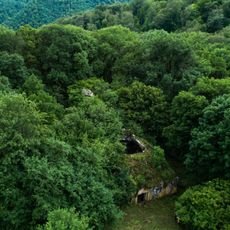
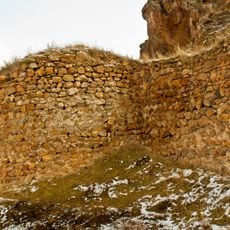
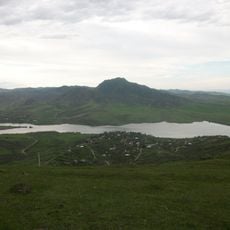
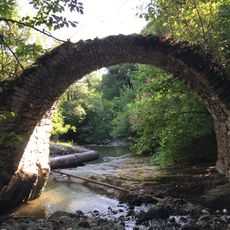
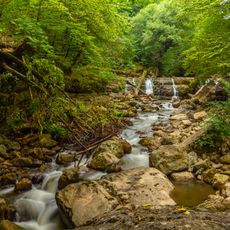
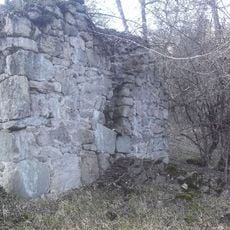
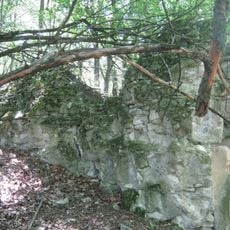
The monastery lies about 12 km west of Kirants village, on the left bank of the Kirants-jur stream in flat terrain. The gate of the enclosing wall was on the southwest side. The refectory stands west of the churches, its north wall against the hillside. Expect no facilities on site.
Almost every building at Kirants is brick-built, with dressed stone used only for details, making the complex rare in Armenian medieval architecture. The main church walls were plastered inside and painted with frescoes bearing Georgian and Greek inscriptions, and blue glazed bricks face the drum and window surrounds.
The community of curious travelers
AroundUs brings together thousands of curated places, local tips, and hidden gems, enriched daily by 92,684 contributors worldwide.