Fortress of Goyazan, fortress in Azerbaijan
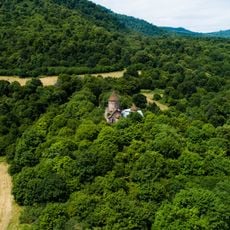
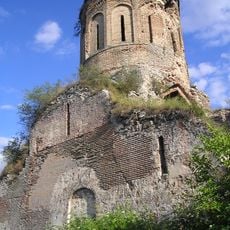
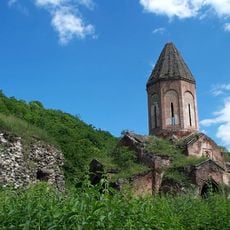
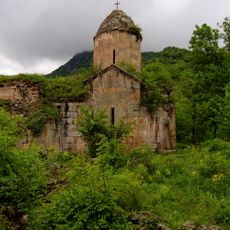
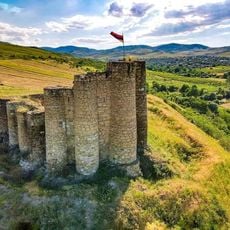
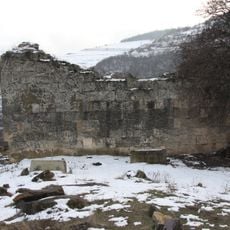
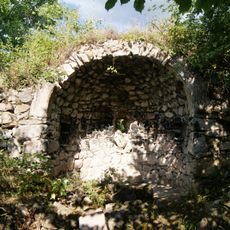
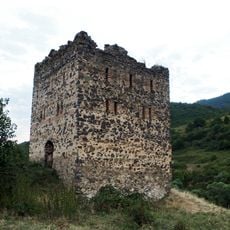
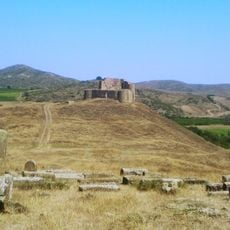
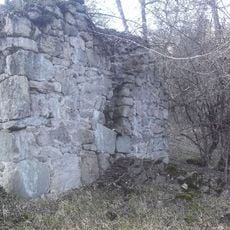
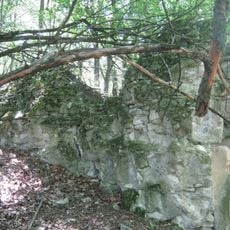
The Fortress of Goyazan, also called Gavazan, stands on the northeastern part of a 400-meter hill about 15 km west of Gazakh and 1 km northwest of Abbasbeyli. Its citadel measures 140 by 40 meters, built of yellow limestone and rough granite, and is reinforced by seven semicircular towers preserved to a height of 4 to 7 meters. The entrance lies on the west; a walled settlement stretched 400 meters north of the citadel.
The fortress is first mentioned in the 1060s, when the Georgian king Bagrat IV attacked Tbilisi, then held by the Ganja emir Patlun; Patlun was defeated by Ivane Orbelian and released after returning Tpkhis, Gag and Kovzin. In 1123 David the Builder retook Gavazan from the Seljuks. In 1436 Christians fleeing Mongol raids found refuge inside. The Armenian Academy of Sciences surveyed the site in 1960–1961.
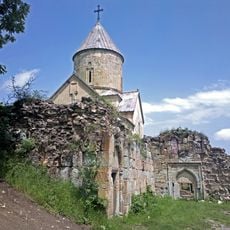
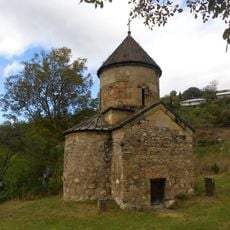
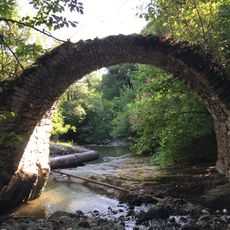
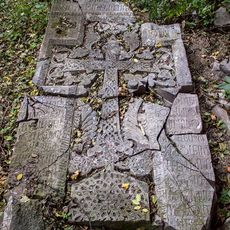
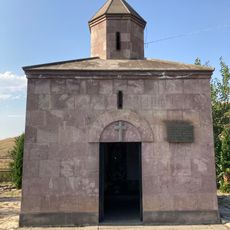
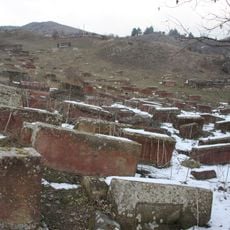
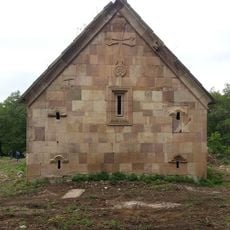
The fortress is also called Gavazan or Gavarzin in Armenian, and the surrounding villages once used it as a refuge during enemy attacks. Southeast of the fortress lies the village of Damirchla, near which are a large cemetery and a ruined church. On the Joghaz river nearby, foundations of a prehistoric bridge and a post station survive; A. S. Griboyedov spent the night there in 1828 while travelling to Persia.
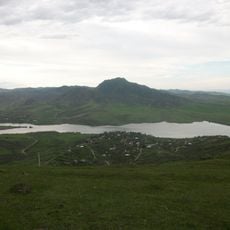
The site is easily reached since it sits near local villages and connects to good roads; visitors can drive or walk to view it closely. The climb up is steep and demands physical effort, but the view from the summit over the surrounding valley rewards those who take time to explore thoroughly.
In ancient times, people lit fires on the summit to sound alarms when danger approached, using this signal fire system to warn nearby villages of threats. The builders' ability to move massive stone blocks up such a steep mountainside and construct such a durable structure without modern tools makes the engineering skill displayed here remarkable.
The community of curious travelers
AroundUs brings together thousands of curated places, local tips, and hidden gems, enriched daily by 94,535 contributors worldwide.