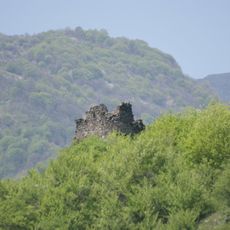
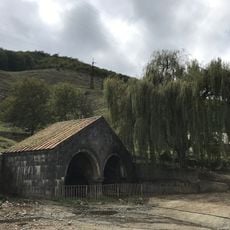
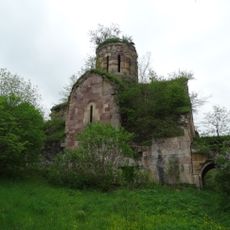
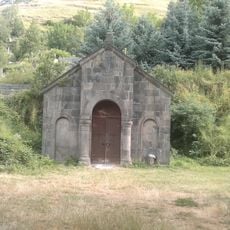
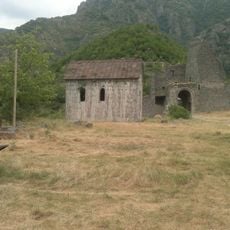
Khorakert, Medieval monastery on Lalvar Mountain slope in Jiliza, Armenia.
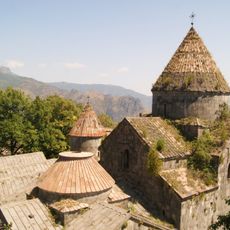
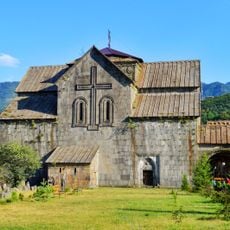
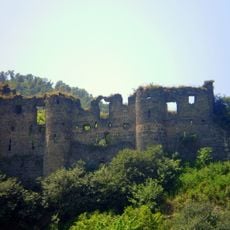
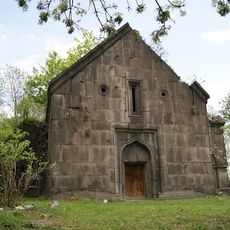
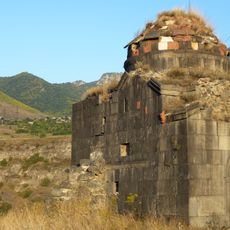
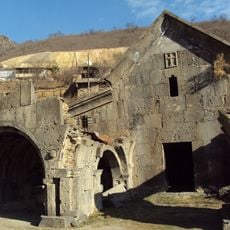
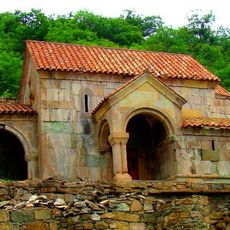
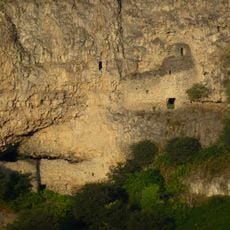
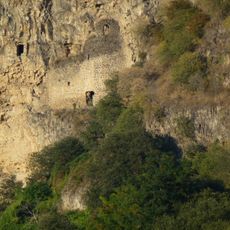
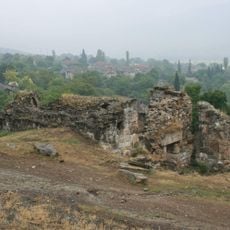
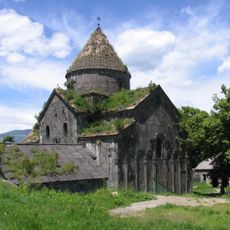
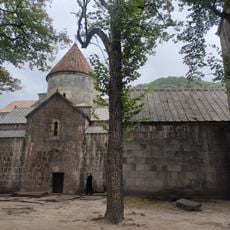
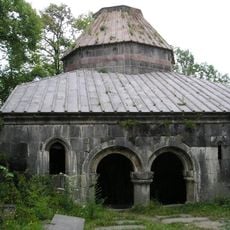
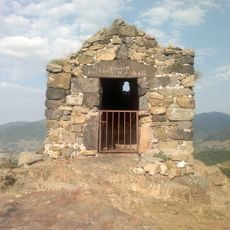
Khorakert is a monastery complex on the wooded western slope of Mount Lalvar, comprising a church, a gavit, two chapels, a refectory and ruined walls up to 5 m thick. The church has a plain rectangular exterior (9.6 x 14.6 m) and a cross-shaped interior with four corner chambers. Its dome rests on a decagonal drum whose lower half consists of 30 densely set hexagonal columns, a feature without parallel in Armenian architecture.
An inscription on the church's west facade gives 1251 as the year the monastery and gavit were built, though architectural analysis dates the church mainly to the 11th century, with its upper part completed in 1251. The gavit was erected in 1256 by Stepannos Varnetsi. The complex was restored in 1661 and 1710, fell into ruin in the early 20th century and was further damaged by an earthquake in 1965.
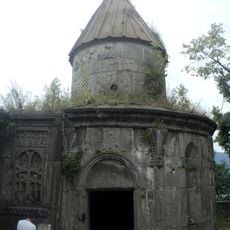
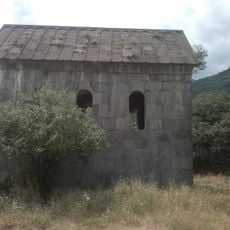
The church facades are plain and almost devoid of ornament, so the decoration is concentrated in the dome: 30 tightly packed hexagonal columns, 2 m high, whose bases and capitals touch. Inside, patches of plaster survive on the walls. The gavit's portal sits in a rectangular frame with stalactite carving.
The monastery sits in a border region, so advance coordination with local authorities is necessary. Visitors should gather information beforehand before attempting to reach the site.
The dome's octagonal drum rests on 30 densely packed hexagonal columns, each about 2 m high, whose bases and capitals touch. The sources call this the only known example of its kind in Armenian architecture. The drum sits on six intersecting arches and ends in a smaller stalactite-shaped dome.
The community of curious travelers
AroundUs brings together thousands of curated places, local tips, and hidden gems, enriched daily by 93,000 contributors worldwide.