Metsamor site, Archaeological site in Armavir Province, Armenia
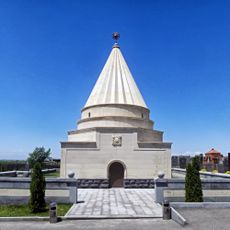
Metsamor is an archaeological complex situated on a hilltop with fortified citadel remains, residential areas, and multiple burial grounds spread across the landscape. Excavations have uncovered layers of settlement from different periods, revealing how people organized their community over many centuries.
The oldest traces of settlement date to the turn of the 4th millennium BC, and habitation continued until the 17th century CE. In the Late Bronze and Early Iron Ages (15th–8th century BC) Metsamor became an important religious and economic centre with developed metallurgical production. Tradition held that the Urartians destroyed it, but researchers now attribute its destruction to Scythian or Cimmerian nomads.
The site contains remains of five temples with clay altars positioned on the southern slope, offering insight into how ancient communities here practiced their faith. These structures reveal the religious customs and spiritual beliefs of people who lived in this region long ago.
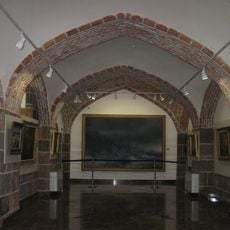
The Museum of History and Archaeology, opened at the site in 1968, holds more than 22,000 items, almost all found during excavations there. The excavated areas lie on and below the hill, with the cemetery about 500 m to the east. Excavations have run since 1965, so some sectors may be closed off.
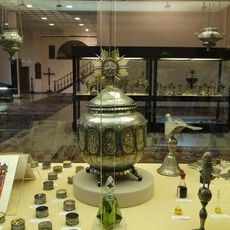
The site's museum, opened in 1968, holds more than 22,000 objects, nearly all found at Metsamor itself. Among the best known are gold necklaces and gilded belt fittings showing hunting lionesses, produced during the settlement's metallurgical heyday in the 15th–8th centuries BC.
The community of curious travelers
AroundUs brings together thousands of curated places, local tips, and hidden gems, enriched daily by 93,317 contributors worldwide.