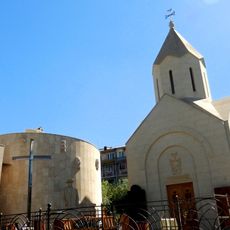
Avan Church, Ancient church in Avan District, Armenia
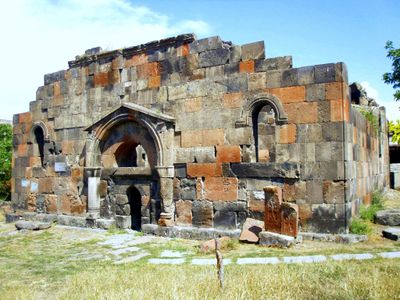
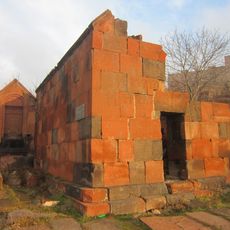
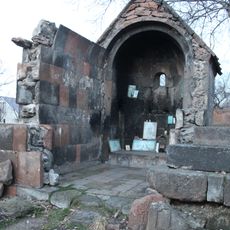
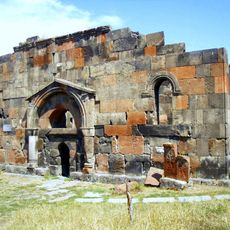
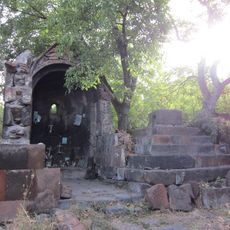
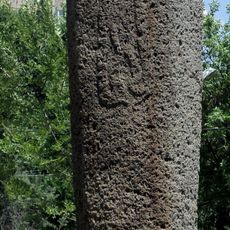
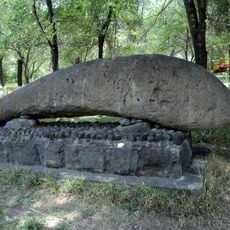
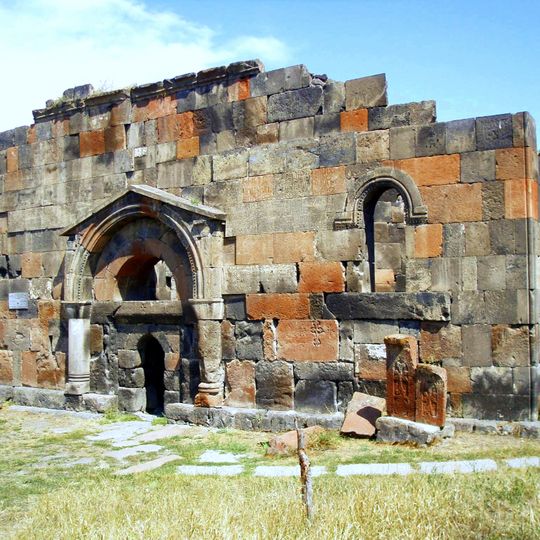
Avan Church, also known as Katoghike Tsiranavor, is a ruined late 6th-century church in Yerevan's Avan District. It has a quatrefoil plan with four semicircular apses and circular corner chambers, and its walls stand 2–2.5 m high. A vishap stone is set as the lintel above the west portal.
The cathedral was built between 591 and 602 by Todosak, after Emperor Maurice backed the pro-Chalcedonian faction of the Armenian Church. In 593 John of Bagaran was elected catholicos at Theodosiopolis and placed his seat at Avan, facing the pro-Persian catholicos at Dvin. In 602 King Khosrov II took Avan, abolished the catholicosate and turned the complex into a monastery. The collapse is often linked to the earthquake of 4 June 1679.
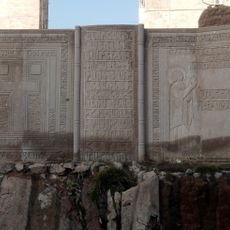
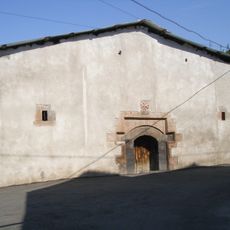
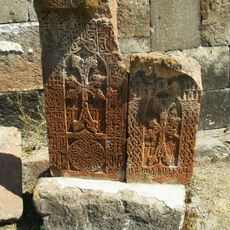
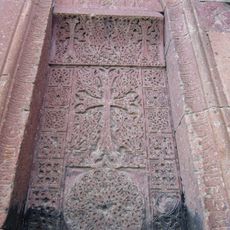
The west façade carries long inscriptions on either side of the entry and a short text on the lintel above the door; the name 'Yohan' appears in one of them. Inside, a vishap stone from the 3rd–2nd millennium BC serves as the lintel above the main portal. A bilingual Armenian-Greek coded inscription of Catholicos Ezr (730s) found here is the earliest known example of cryptography in Avan.
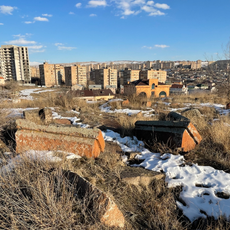
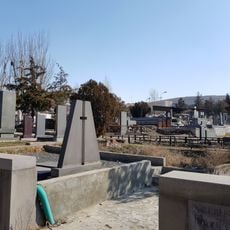
The site is reasonably accessible and allows you to explore the old stonework and cemetery grounds. It helps to wear comfortable shoes since the ground is uneven and you will need to walk around the area.
A vishap stone from the 3rd–2nd millennium BC is set inside as the lintel above the main west portal. Toros Toramanian argued the roofless church once had five domes, which would make it the earliest known example of such a design.
The community of curious travelers
AroundUs brings together thousands of curated places, local tips, and hidden gems, enriched daily by 93,198 contributors worldwide.