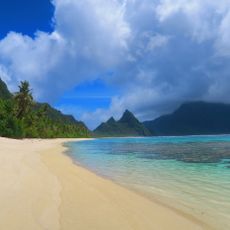
Rose Atoll Marine National Monument, Marine national monument in American Samoa, United States.
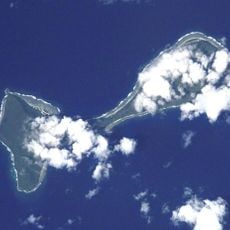
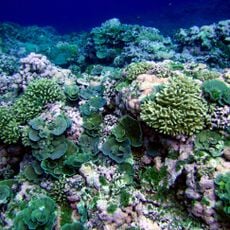
Rose Atoll Marine National Monument is a marine protected area surrounding Rose Atoll in American Samoa, featuring extensive coral reefs and deep ocean waters. The site encompasses vast stretches of sea with diverse underwater habitats and fish populations.
The first Western sighting was on 13 June 1722, during Jacob Roggeveen's voyage; he called it Vuil Eiland, "useless island". Louis de Freycinet named it Rose Island in 1819 after his wife Rose, and Otto von Kotzebue called it Kordinkov in 1824. It became a national wildlife refuge in 1973 and the marine national monument was established in 2009.
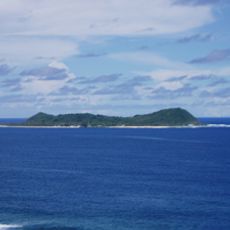
The Samoan name Motu O Manu, "Bird Island", comes from the people of the Manu'a Islands and refers to the atoll's seabird colonies. About 97% of American Samoa's seabird population nests here, including red-footed boobies and great and lesser frigatebirds in the buka trees. The Pisonia forest is the only one left in Samoa.
The monument is managed as a strictly protected reserve with regulations limiting human activity to preserve the marine environment. Access is restricted, and visiting requires special permission and coordination with local authorities.
The atoll's name comes from Louis de Freycinet, who sighted it in 1819 and named it after his wife Rose, the first woman to tell her own account of circumnavigating the globe. Earlier, Jacob Roggeveen had called it Vuil Eiland, "useless island", in 1722.
The community of curious travelers
AroundUs brings together thousands of curated places, local tips, and hidden gems, enriched daily by 93,664 contributors worldwide.