National Marine Sanctuary of American Samoa, Marine sanctuary in American Samoa, Pacific Ocean
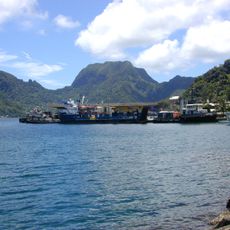
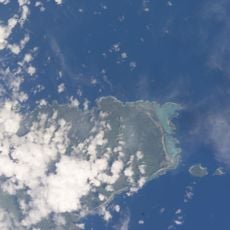
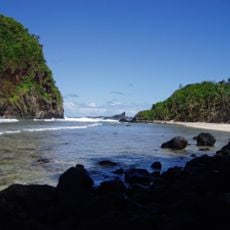
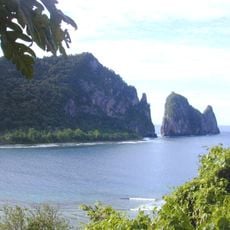
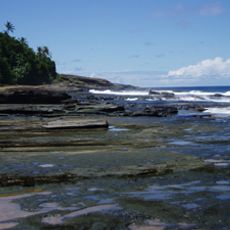
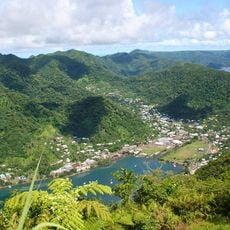
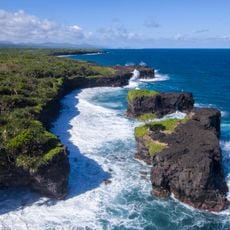
The National Marine Sanctuary of American Samoa is a marine reserve in the Pacific Ocean protecting coral reefs, deep-sea habitats, and diverse marine life. The area includes several zones with varying levels of protection and is home to numerous coral species and invertebrate animals.
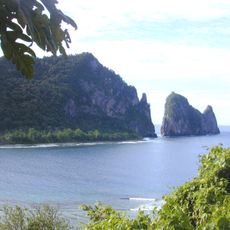
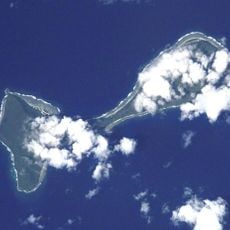
The sanctuary was established in 1986 as Fagatele Bay National Marine Sanctuary, initially protecting a smaller bay area. A major expansion in 2012 added Rose Atoll and other zones to the protected system.
The sanctuary is deeply connected to Samoan culture, where local people practice traditional fishing methods and maintain their relationship with the sea. The community participates actively in conservation decisions and contributes knowledge about sustainable resource use.
The area is accessible by boat, and visitors can explore the coral reefs and marine habitats with local guides or organized tours. The best time for snorkeling and observing marine animals is during warmer months when visibility and water temperature are favorable.
Fagatele Bay's reef is among the most closely tracked in the world: after crown-of-thorns starfish destroyed more than 90 percent of Tutuila's living corals in the late 1970s, researchers led by Dr. Charles Birkeland began surveying the bay in 1985 and returned in 1988, 1995, 1998, 2001 and 2004, building a coral, fish and invertebrate record that is unique for Samoa.
The community of curious travelers
AroundUs brings together thousands of curated places, local tips, and hidden gems, enriched daily by 92,629 contributors worldwide.