Falemauga Caves, Prehistoric cave complex in Tuamasaga district, Samoa
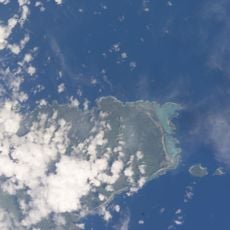
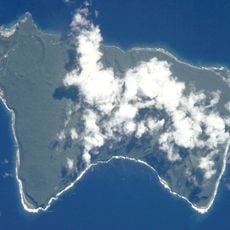
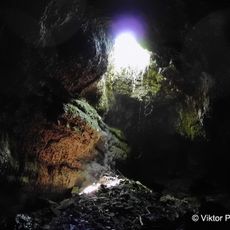
The Falemauga Caves are large natural caverns in a series of lava tunnels on the central ridge of Upolu island, in Samoa's Tuamasaga district, about 9.7 km south-west of Apia. The main entrance is almost circular, roughly 15 m across, at an elevation of about 474 m above sea level. A down-break divides the tunnel into a North Cave, 429 m long with side branches, and a shorter South Cave, 156 m long.
An anthropologist from New Zealand named Derek Freeman conducted major archaeological excavations in the 1940s and documented his research findings in scientific publications. These investigations revealed that the caves had been inhabited and used by people over an extended period.
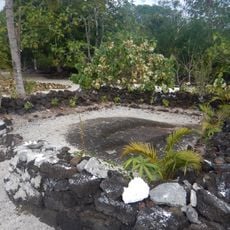
The name Falemauga combines the Samoan words fale (house) and mauga (mountain). The caves lie in an inland area of the same name, and Tuamasaga people used them as a place of refuge. Inside, stacked lava-rock platforms, umu cook sites and fireplaces remain from prehistoric occupation.
Visiting the caves requires some physical effort and caution due to uneven ground and narrow passages in certain sections. Bring sturdy footwear and a flashlight to move through safely and comfortably.
Over 150 stone platforms were discovered inside the caves, built by early inhabitants for various activities and uses. Archaeologists also found remains of traditional cooking sites along with tools and shells, showing how extensively the caves served daily life.
The community of curious travelers
AroundUs brings together thousands of curated places, local tips, and hidden gems, enriched daily by 93,845 contributors worldwide.