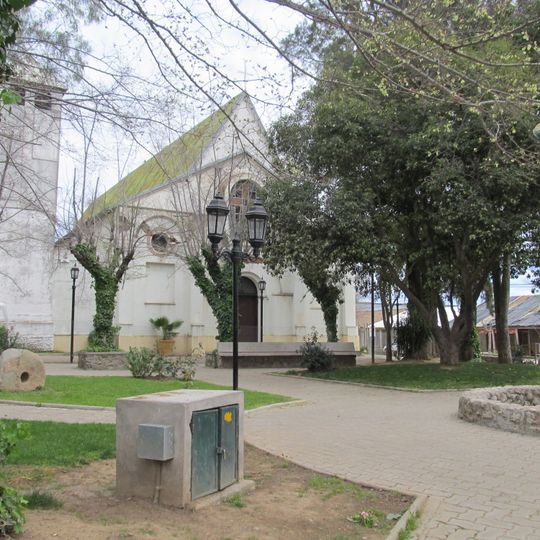
Lolol, Chilean commune and town
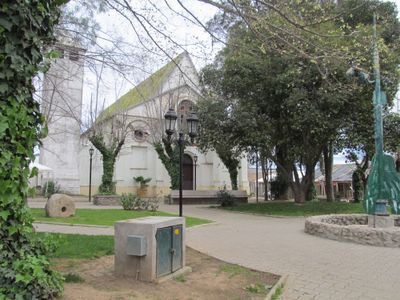
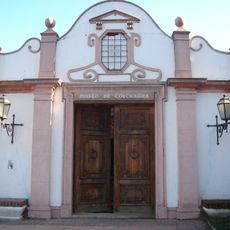
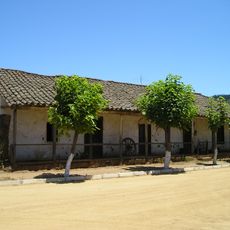
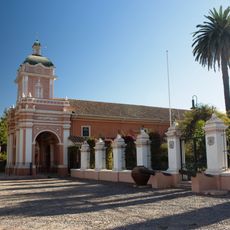
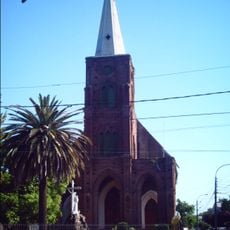
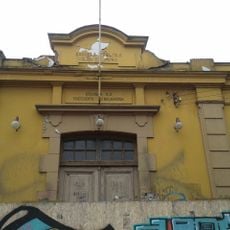
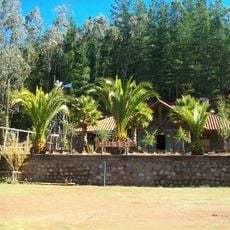
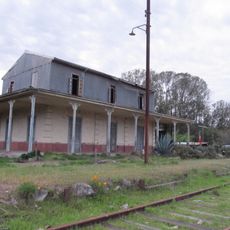
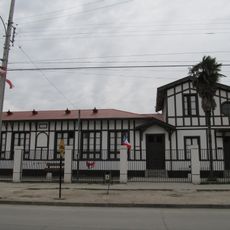
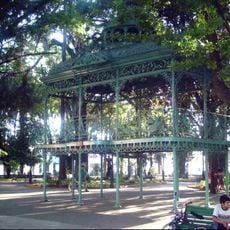
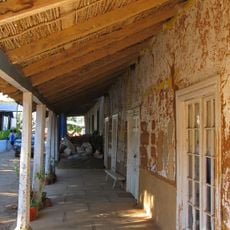
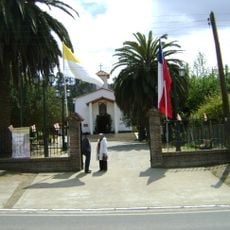
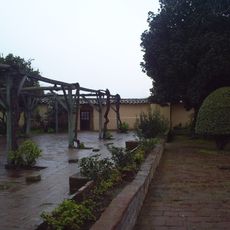
Lolol is a small town and commune in Colchagua Province in central Chile, surrounded by green hills and vineyards. The town center has a main plaza with the Iglesia de la Natividad de la Santísima Virgen María, a simple adobe church from the early 20th century, along with cafes and shops, all reflecting colonial-era architecture from the 18th and 19th centuries.
Lolol has roots in the Picunche subgroup of the Mapuche during pre-Columbian times. After Spanish colonization, large estates called haciendas were established here, granted by the crown to soldiers who aided settlement, and these historic farms still shape the region today.
The name Lolol comes from the indigenous Mapuche language and means "land of crabs and holes." Local huaso traditions, rooted in horsemanship and cattle herding, shape community life through annual celebrations like Semana Lololina in February and Rodeo Chileno competitions where riders demonstrate their skills in front of spectators.
Visitors can walk through the cobblestone streets to explore historic buildings up close. Nearby haciendas like Santa Teresa de Quiahue and Hacienda Lolol offer activities including horseback riding, wine tastings, and traditional meals in a relaxed setting.
After the 2010 earthquake, the local community restored historic buildings using advanced 3D scanning technology while preserving their traditional appearance. The Iglesia de la Natividad reopened in 2017, showing how residents protect their cultural identity through careful restoration work.
The community of curious travelers
AroundUs brings together thousands of curated places, local tips, and hidden gems, enriched daily by 91,418 contributors worldwide.