Alhué, town in Chile
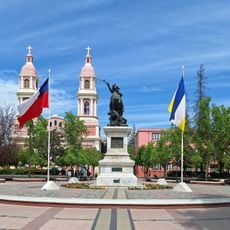
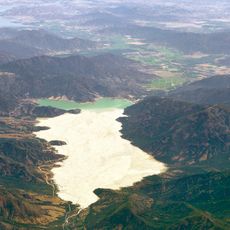
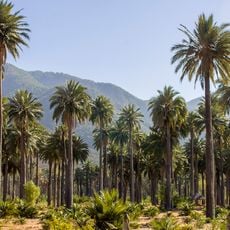
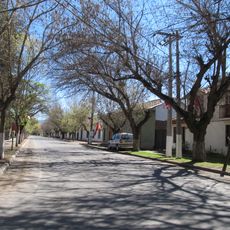
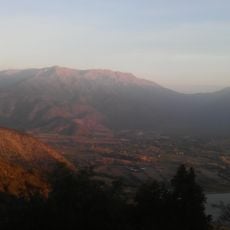
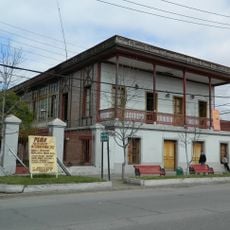
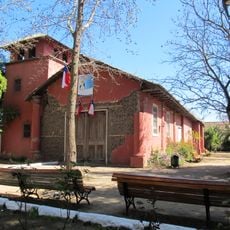
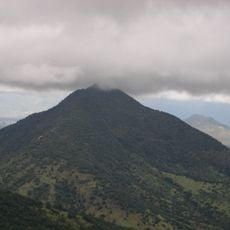
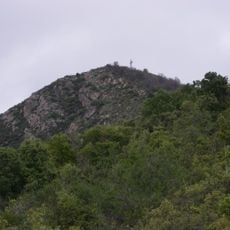
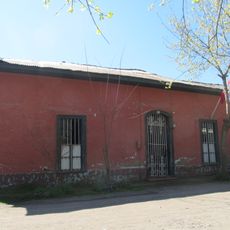
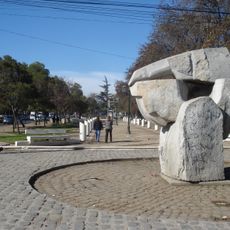
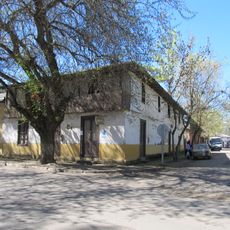
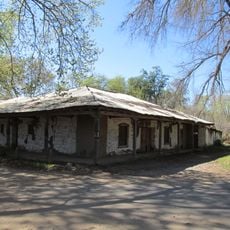
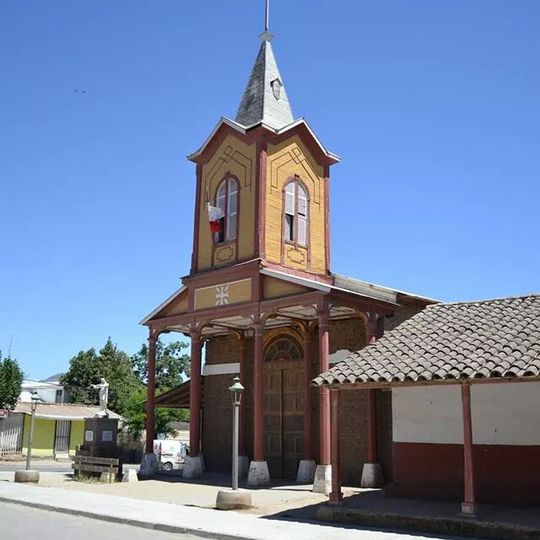
Alhué is a commune in Melipilla Province in the Metropolitan Region of Chile, located in a valley surrounded by hills of the Coastal Range. The town consists of simple streets with houses reflecting local history and is marked by a slow pace where residents go about daily activities and gather in the town center for community events.
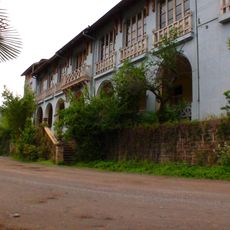
Alhué was founded in 1544 and developed as an agricultural center in the region. The town was declared a National Monument in 1983 due to the historical value of its buildings, but the 1985 earthquake damaged many structures, leading to a reduction of the protected area in 2008.
The name Alhué comes from the Mapudungun language and means "Place of Spirits". Residents continue to celebrate traditional festivals like the Feast of the Immaculate on December 8, when processions on horseback and cueca dances fill the streets, reflecting the community's beliefs and customs.
The town is accessible from larger cities like Santiago with occasional buses connecting the towns. To experience rural life fully, plan time for hiking in the surrounding countryside or visiting local farms, and browse the local markets where fresh produce and crafts are sold on busy days.
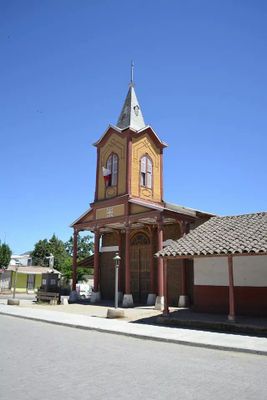
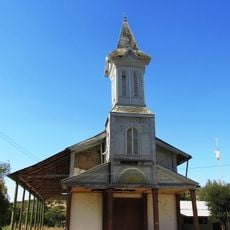
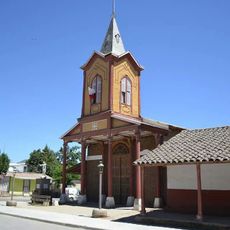
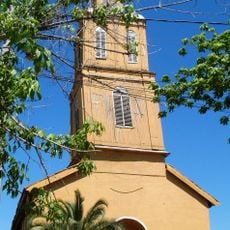
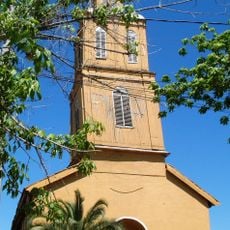
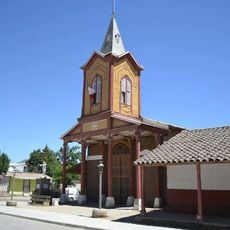
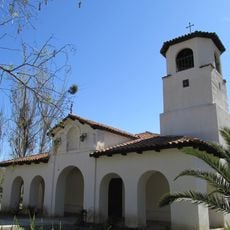
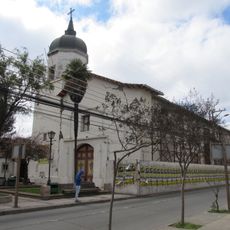
The Church of San Jerónimo, built in 1764, surprisingly survived the severe 1985 earthquake and remains one of the few examples of Spanish colonial architecture still standing today. Its survival makes it a remarkable symbol of the community's resilience against natural disasters.
The community of curious travelers
AroundUs brings together thousands of curated places, local tips, and hidden gems, enriched daily by 91,396 contributors worldwide.