Zúñiga, Cultural heritage village in San Vicente de Tagua Tagua, Chile.
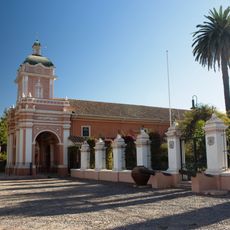
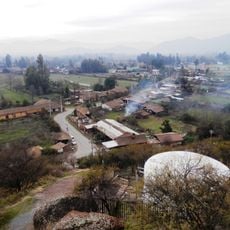
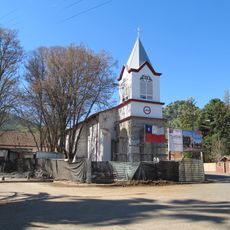
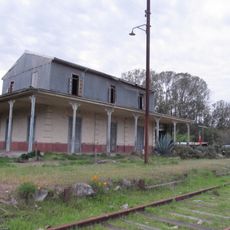
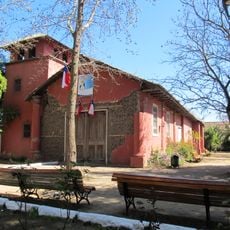
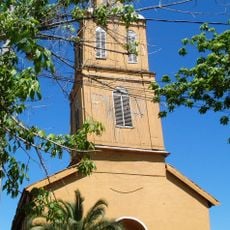
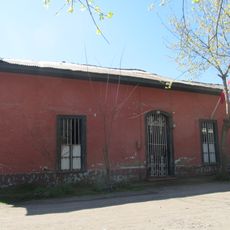
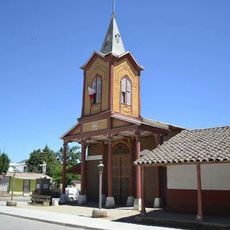
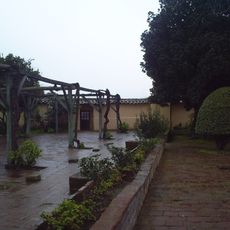
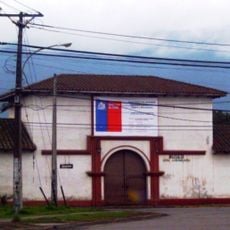
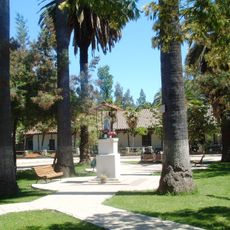
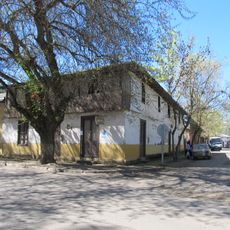
Zúñiga is a village in San Vicente de Tagua Tagua with buildings that display continuous facades made of adobe walls, clay tile roofs with large overhanging eaves. The place contains four historically significant structures: the Parish Church, Parish House, Cáceres House, and Galafe House.
The village originated when priest Antonio de Zúñiga initiated chapel construction in the 1760s, which led to the development of a settlement around this religious site. The place name honors this priest and his role in establishing the community.
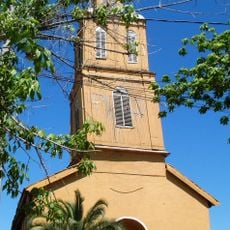
The name comes from Antonio de Zúñiga, the priest who had a chapel built for the faithful of Toquigua in the 1760s; by 1839 documents already record the place as "Lo Zúñiga". The parish is Nuestra Señora de la Merced, and the parish house stands beside it. The village keeps the layout of a colonial-era rural settlement, with the church and its annexes as the reference point.
Zúñiga lies 15 km from San Vicente de Tagua Tagua, the communal capital, in the O'Higgins Region. The village is small and its adobe buildings, damaged by the 1985 and 2010 earthquakes, are seen on foot along the streets of the Typical Zone. Look for the parish church, the parish house and the Cáceres and Galafe houses, all declared Historic Monuments in 2005.
Zúñiga was the capital of its own commune between 1899 and 1931, before being absorbed into San Vicente de Tagua Tagua. The name appears in documents as "Lo Zúñiga" by 1839, derived from the chapel of priest Antonio de Zúñiga, built under a royal decree of Carlos III in 1765.
The community of curious travelers
AroundUs brings together thousands of curated places, local tips, and hidden gems, enriched daily by 92,627 contributors worldwide.