Puchuncaví, city in Chile
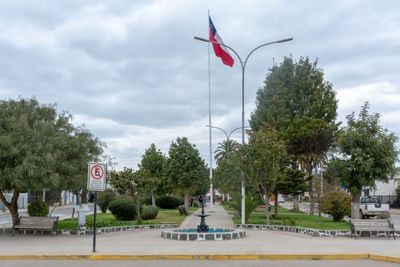
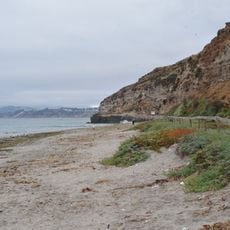
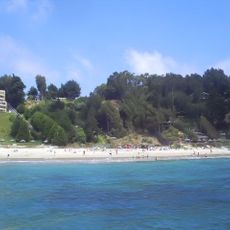
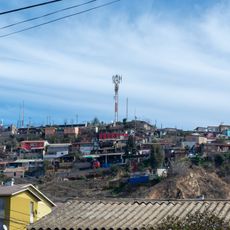
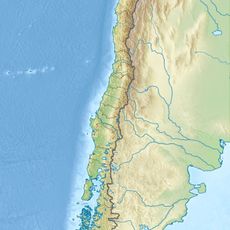
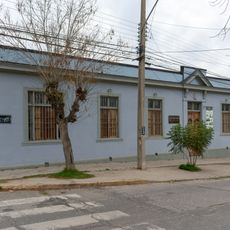
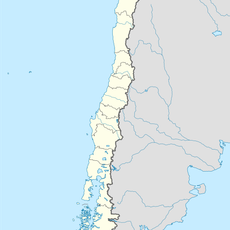
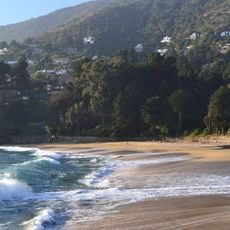
Puchuncaví is a city on Chile's central coast with over 500 years of history and numerous beaches, fishing villages, and green landscapes. The territory encompasses about 22 localities, of which four are urban and eighteen are rural, stretching from coastal cliffs and coves to inland valleys and hills.
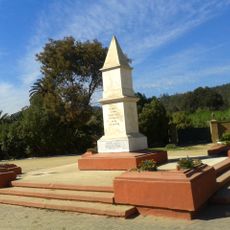
Puchuncaví was an important site along the Inca Trail before Spanish arrival, managed by a curaca who administered the region. Following Spanish settlement, the area underwent several transformations, including the establishment of a parish in 1691 and designation as a villa in 1875, until it was restored as a commune in 1944 after earlier dissolution.
Puchuncaví originates from the Quechua language and means 'place of festivals', reflecting a tradition of celebratory gatherings that has been central to community life for centuries. Visitors today experience this cultural continuity through local crafts, regional festivals, and the ongoing use of the town as a gathering place for community celebrations and seasonal events.
The city is easily accessible by car via several routes, including the F30E leading to Viña del Mar and Quintero, or the Pan-American Highway and F190 Valle Alegre from other directions. Most beaches and villages are within a short drive of each other, making exploration of different areas and activities from water sports to local markets straightforward.
The nearby Pirate's Cave is associated with treasure supposedly hidden by the famous buccaneer Sir Francis Drake centuries ago. Visitors today can explore the cave and imagine the stories of hidden gold and pirate adventures that have captured local imagination for generations.
The community of curious travelers
AroundUs brings together thousands of curated places, local tips, and hidden gems, enriched daily by 92,359 contributors worldwide.