Loncura, Coastal settlement in Quintero, Chile
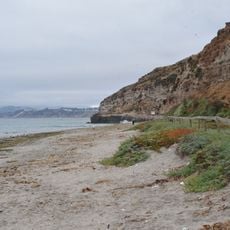
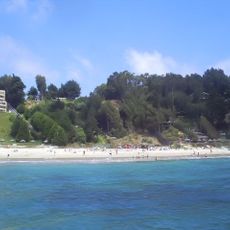
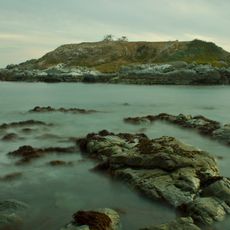
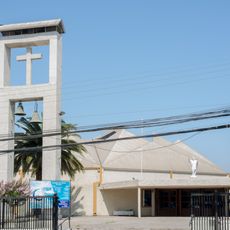
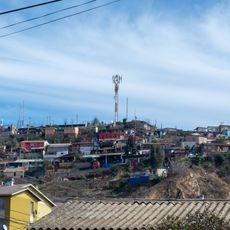
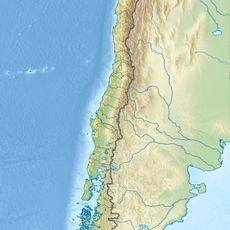
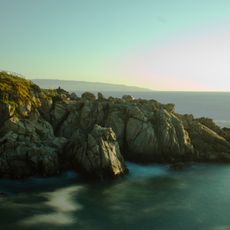
Loncura is a small coastal village on the Pacific coast in the Quintero municipality of Chile, with low houses built close to the water and fishing boats anchored in a sheltered natural bay. The bay is bordered by rocky outcrops and sandy stretches that give the settlement its compact shape along the shoreline.
Loncura's first inhabitants belonged to the Bato tradition (860 BC to 800 AD) and the Aconcagua culture (900 to 1400); their descendants still occupied the bay well into the 19th century, and a shell midden beside Bosque Las Petras holds traces of their presence. In 1536 the Spanish nao Santiaguillo, commanded by Alonso de Quintero, arrived to supply Diego de Almagro's overland expedition, and Quintero gave his name to the bay. From 1904 the beach sector (Loncura bajo) was divided into plots for the first settler families, and in 1967 the Cousiño heirs subdivided Fundo El Bato in Loncura alto for summer villas.
Loncura means "stone head" in Mapudungun, the Mapuche language. Each year the village honours San Pedro, patron of fishermen, on the Sunday closest to 29 June, with chinos dances whose roots lie in the flutes of the Aconcagua culture that inhabited central Chile between 900 and 1400.
The village sits close to Quintero and can be reached by bus in a short ride from the town center, making it easy to combine with a visit to the area. Once you arrive, everything is within walking distance since the settlement is compact and flat along the shore.
The name Loncura comes from Mapudungun and means "stone head". A shell midden beside the Bosque Las Petras sanctuary holds traces of the Bato and Aconcagua peoples who lived on this bay, and Charles Darwin examined these shell deposits in 1834 on his way to Quillota.
The community of curious travelers
AroundUs brings together thousands of curated places, local tips, and hidden gems, enriched daily by 93,905 contributors worldwide.