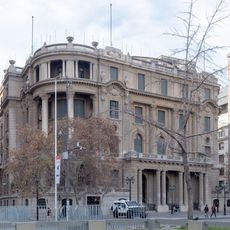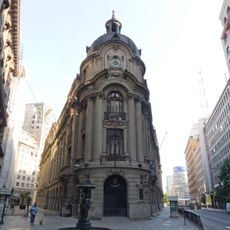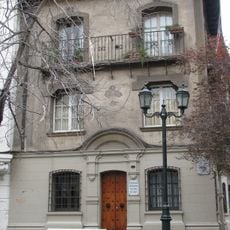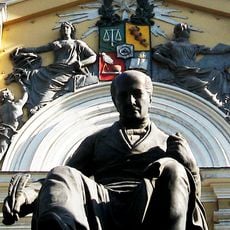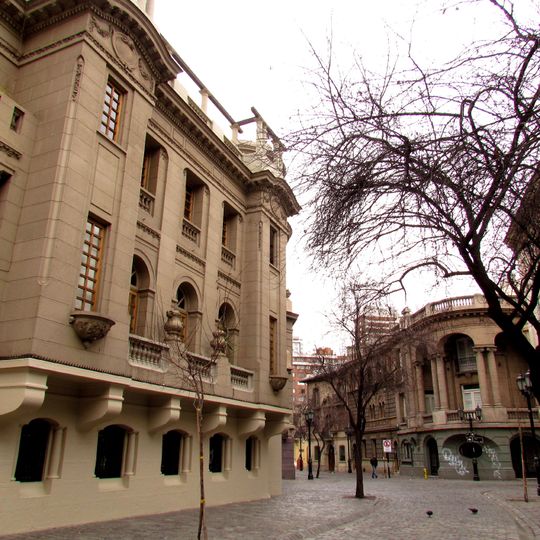
Barrio París-Londres, European-style residential district in central Santiago, Chile
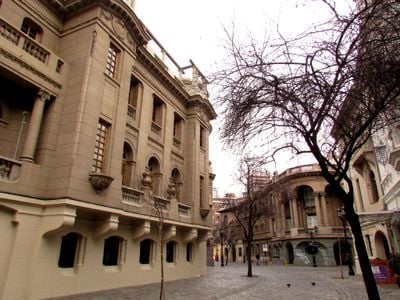
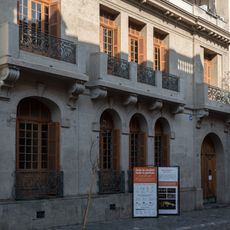
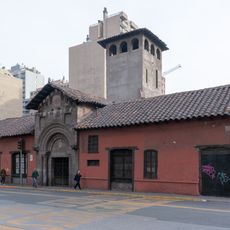
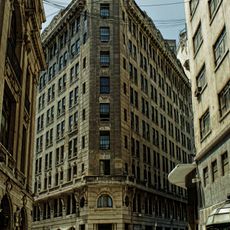
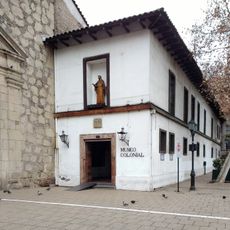
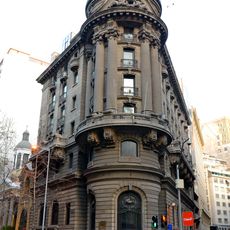
Barrio París-Londres is a European-inspired residential neighborhood in central Santiago featuring winding cobblestone streets, neoclassical buildings, and cast-iron street lamps. The district's architecture creates connected walkways and small plazas that define its intimate, human-scaled character.
The neighborhood emerged in 1921 on the site of a former Franciscan monastery, designed by architects Roberto Araya and Ernesto Holzman. The project brought European urban planning principles to Santiago, creating a residential district that departed from the city's typical street grid.
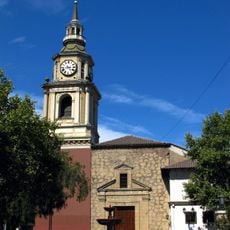
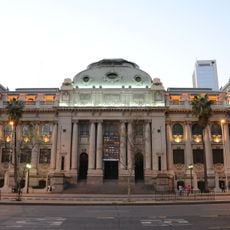
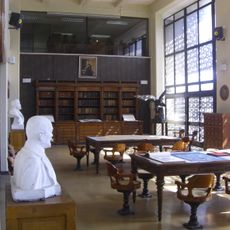
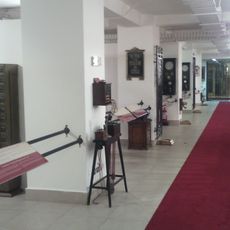
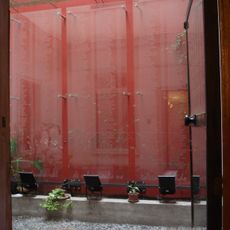
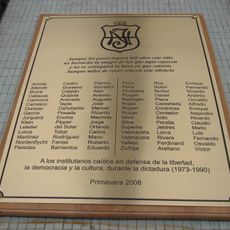
The neighborhood is home to art galleries, cultural centers, and historical sites that host exhibitions and events throughout the year. The streets named after European capitals reflect a lasting connection to continental traditions that shaped the area's identity.
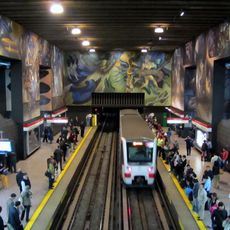
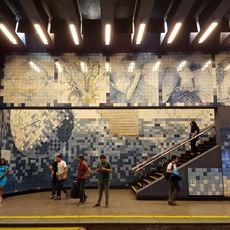
The district is easily accessible by public transit, particularly Metro Line 1 to Universidad de Chile station, from which it is just a short walk. The narrow, winding streets are best explored on foot, and visiting during weekends or mornings offers fewer crowds for a more comfortable experience.
The neighborhood departs from Santiago's standard grid pattern, instead using curved streets named after European capitals. This unusual break from the rectangular city layout of the era made it a notable urban design experiment for the time.
The community of curious travelers
AroundUs brings together thousands of curated places, local tips, and hidden gems, enriched daily by 90,929 contributors worldwide.